


 EN
EN

We use cookies to offer you a better browsing experience, analyze site traffic and personalize content. Part of the tracking is necessary to ensure SEO effectiveness,
By using this site, you agree to our use of cookies.
Visit our cookie policy to learn more.

-
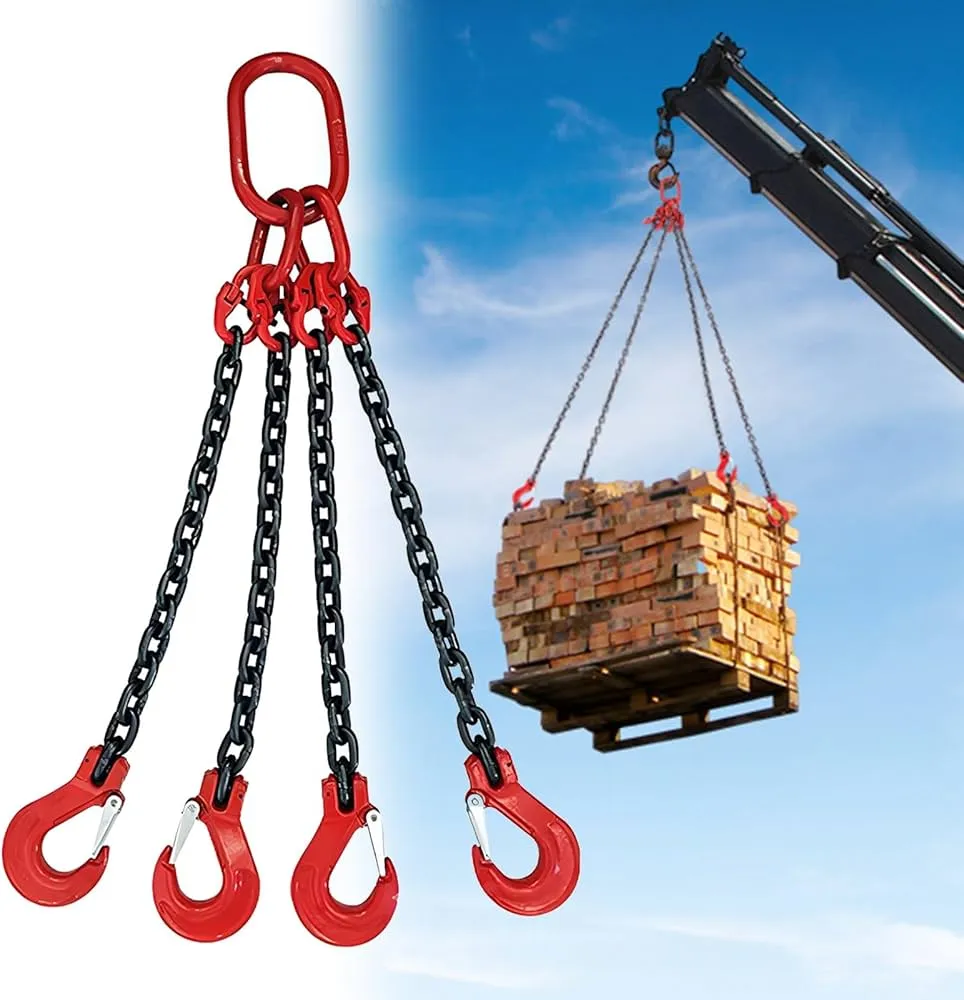
Fishing & Trawling
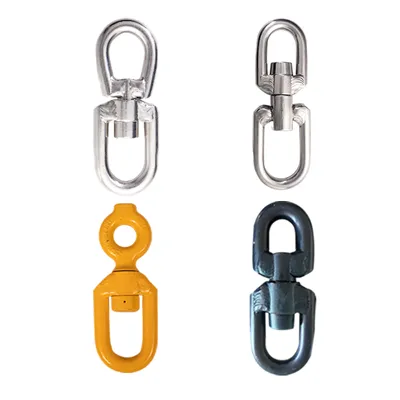
Swivels
 Hooks
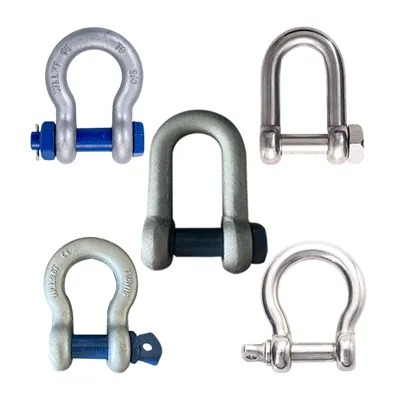
Hooks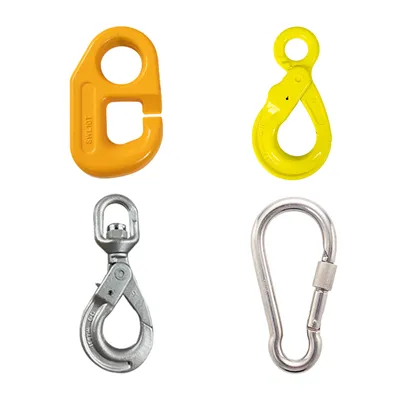 Shackles
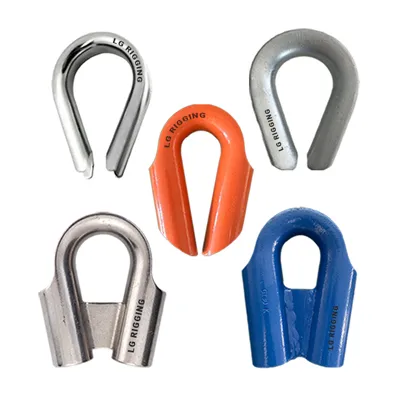
 Rope Thimbles
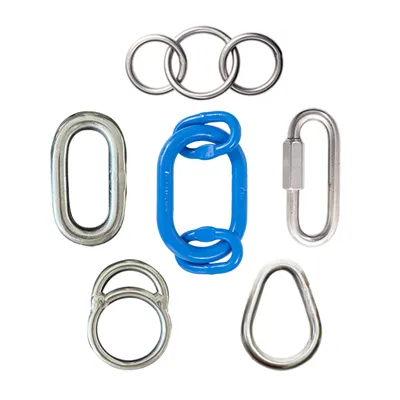
 Links & Rings
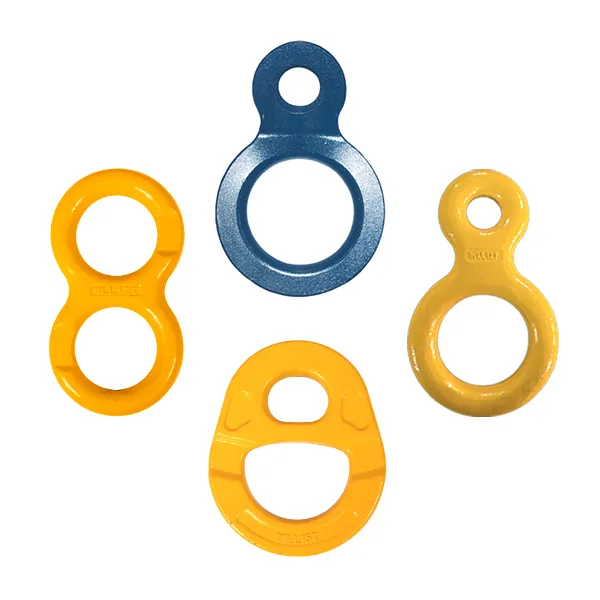
 Kelly's Eye
 Stoppers
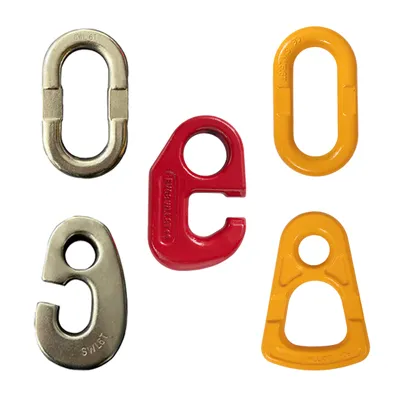
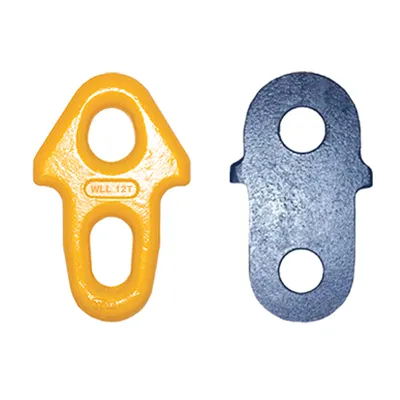 G Hooks & Recessed Links
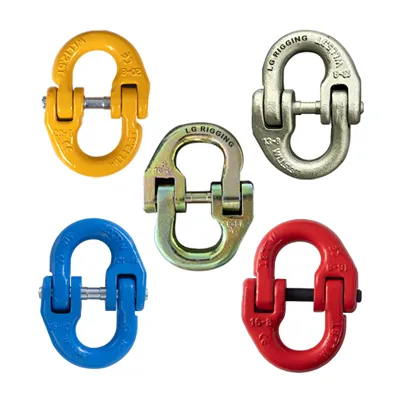
 Connectors
 Tools
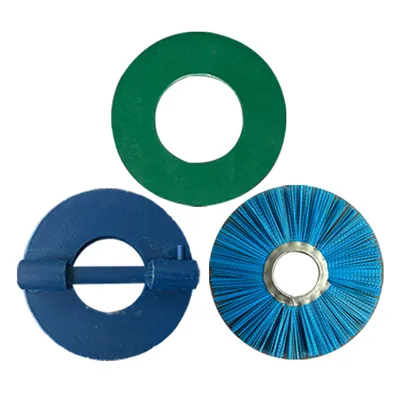
Tools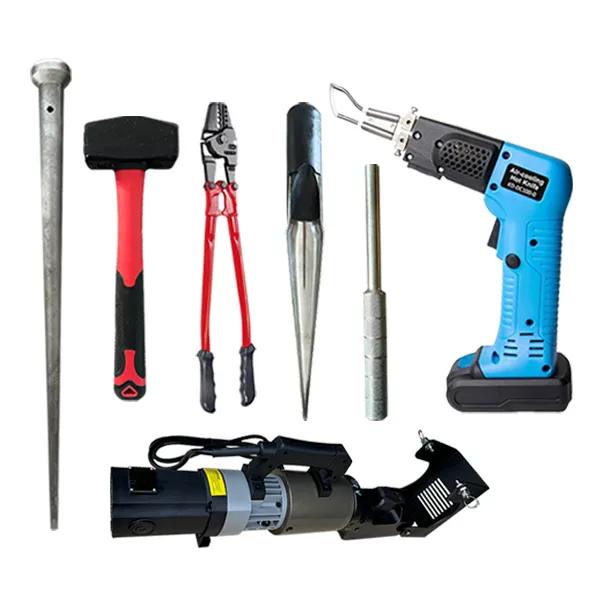 Rockhopper Spare Parts
 Triangles
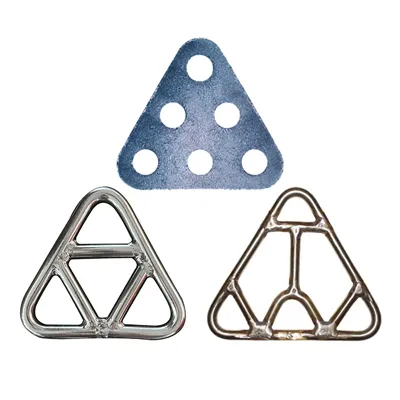 Butterflies
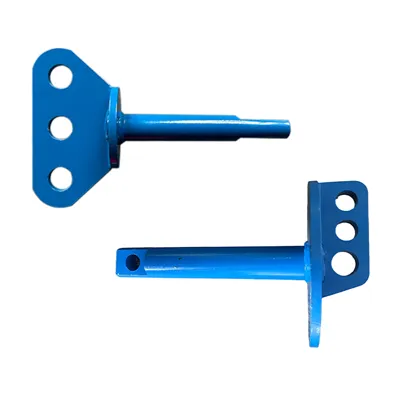 Chains
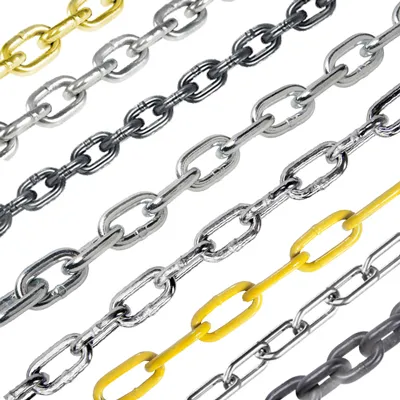 Twine and Ropes
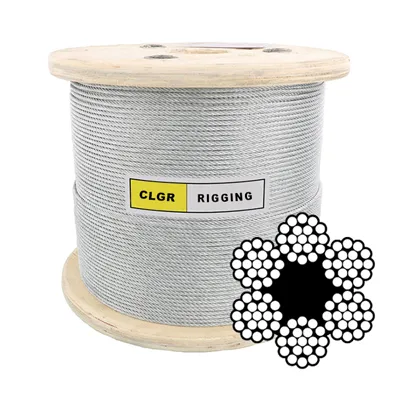
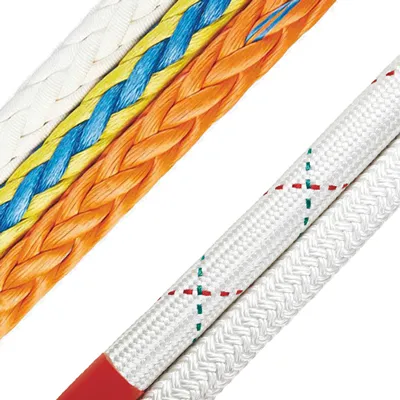 Wire Ropes
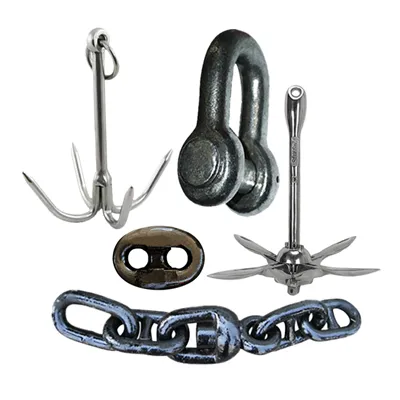
 Anchor Equipment
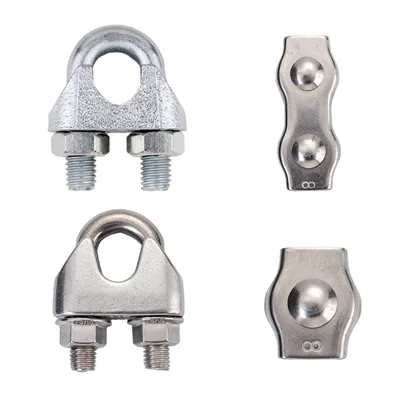
 Wire Rope Clips
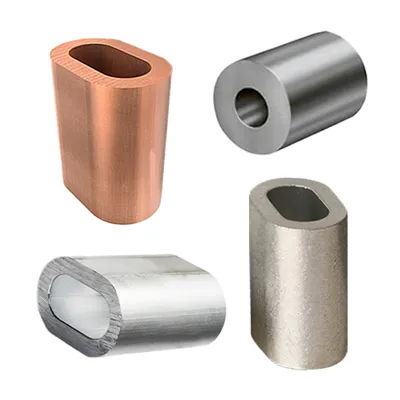
 Ferrules
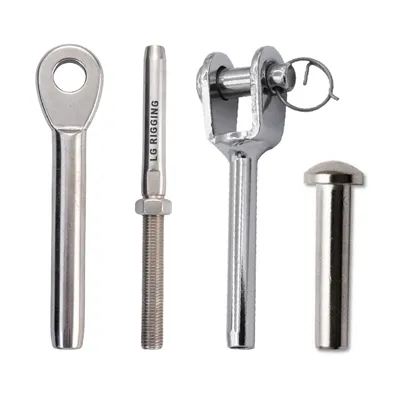
 Terminals
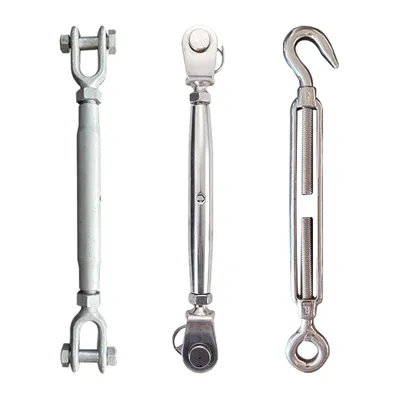
 Turnbuckles
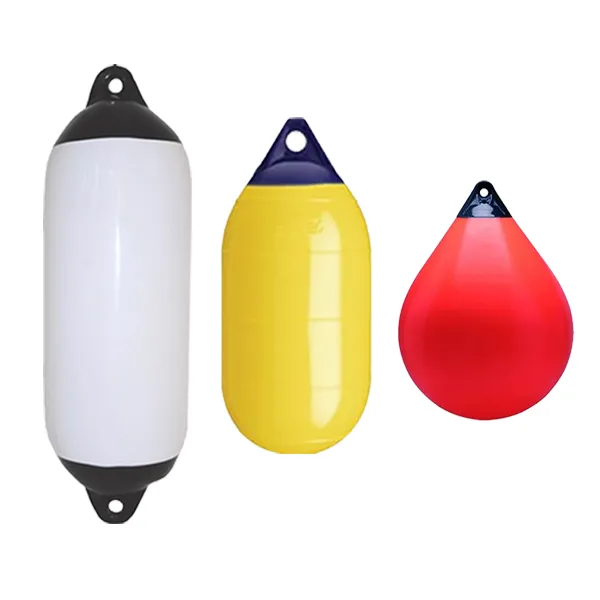
 Fenders & Buoys
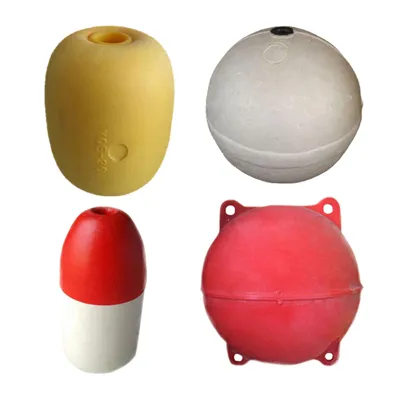
 Floats
 Lashing & Slings & Load Binders
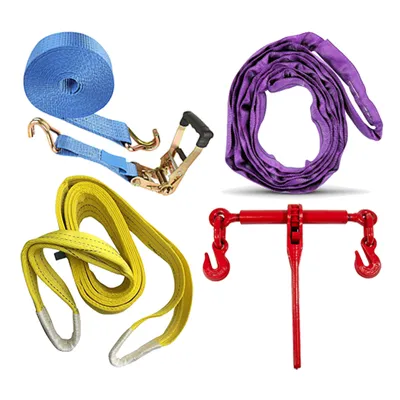 Pulleys & Blocks
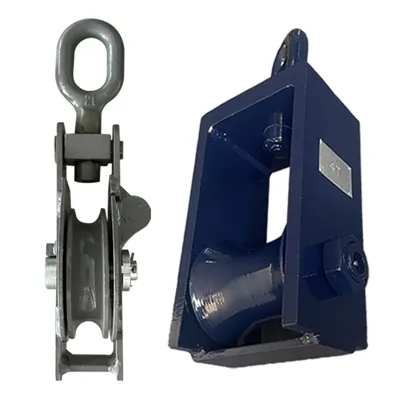 Wire / Chain Toggles
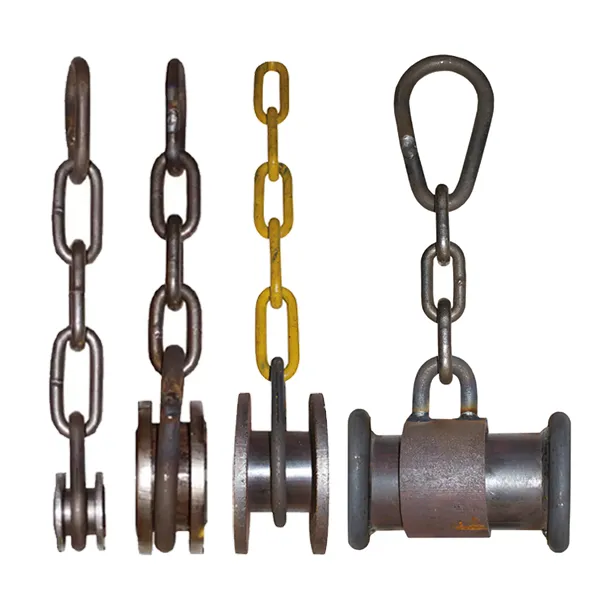 Foot Gear
 Trawl Doors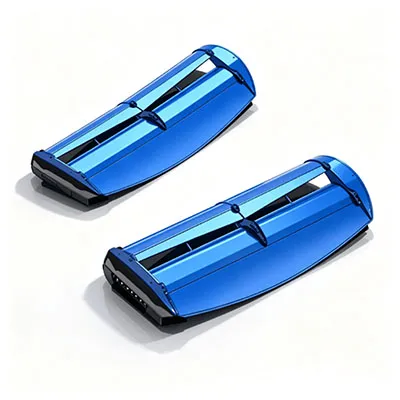
-
Lifting & Rigging
G80 Products
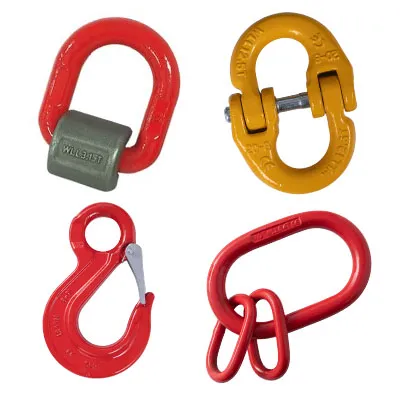 G100 Products
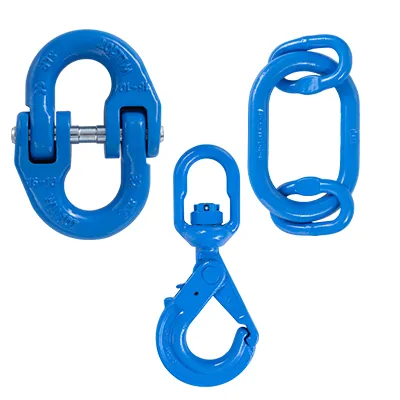 Turnbuckles
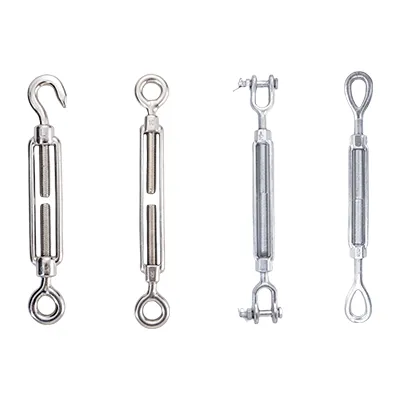 Shackles
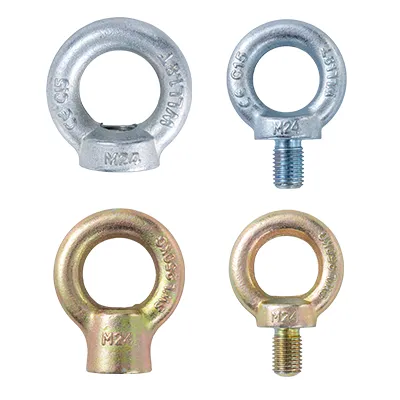
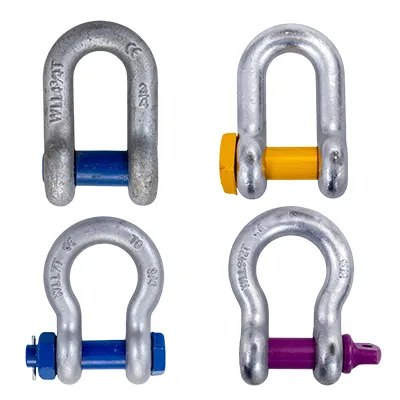 Eye Bolts & Nuts
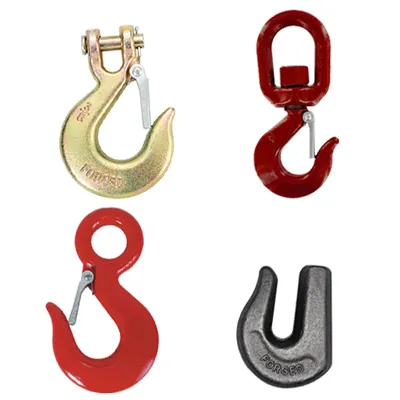
 Forged Hooks
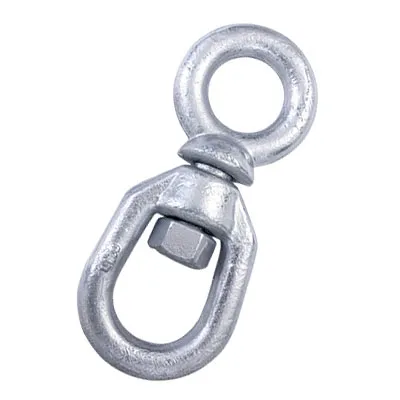
 Swivels
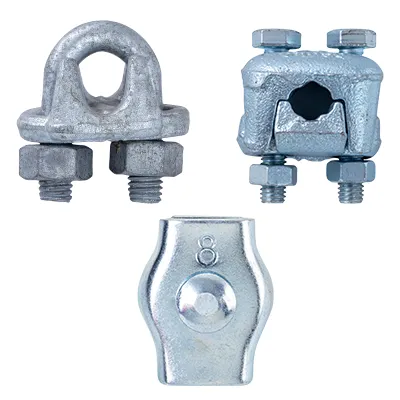
 Wire Rope Clips & Grips
 Wire Rope Thimbles
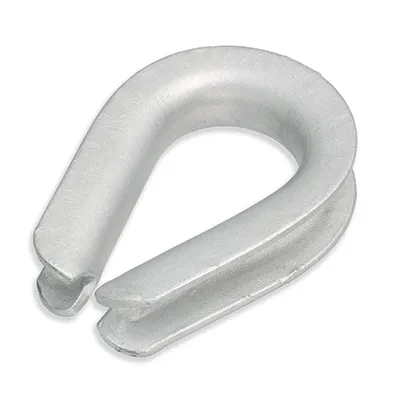 Snap Hooks
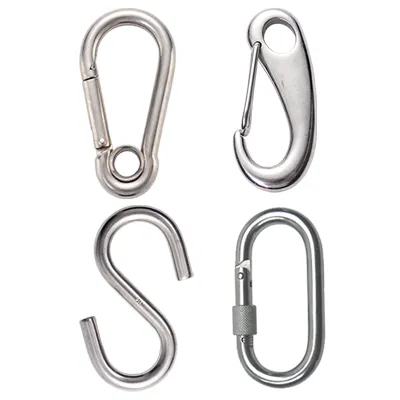 Rings & Connector
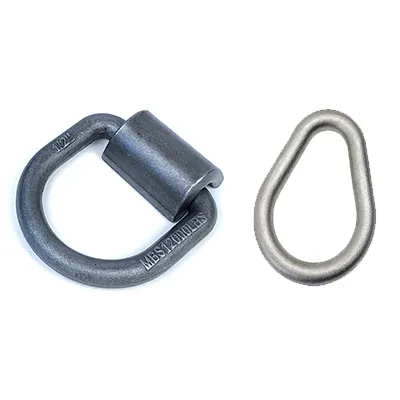 Lever Hoist
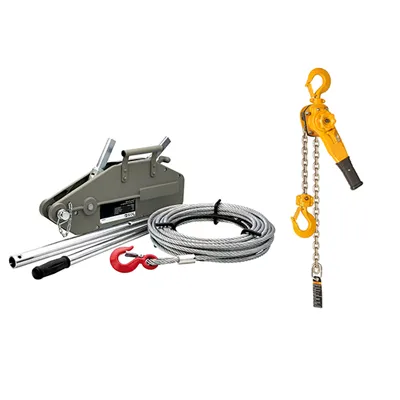 Chain Binders
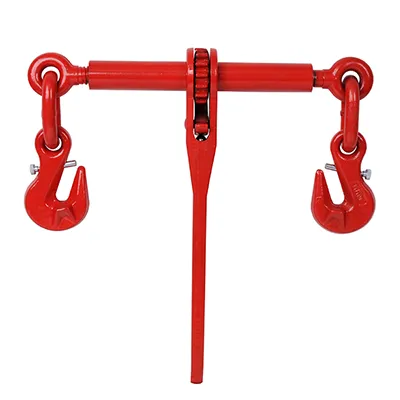 Wire Rope
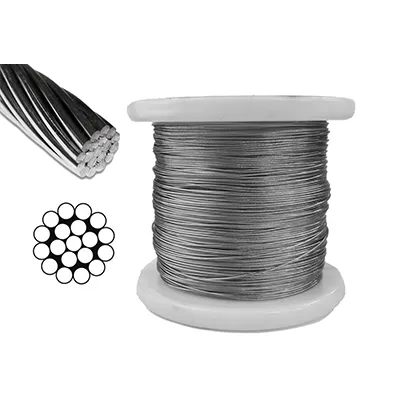 Lifting Sling
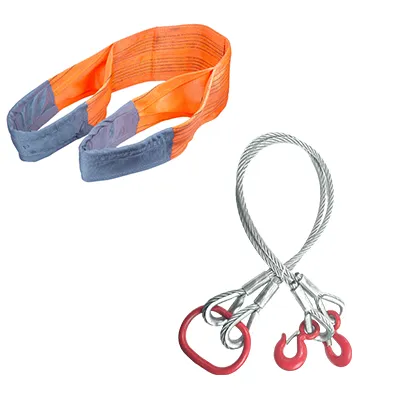 Forestry Logging Supplies
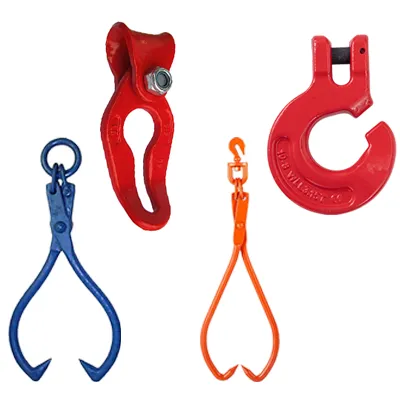 Pins
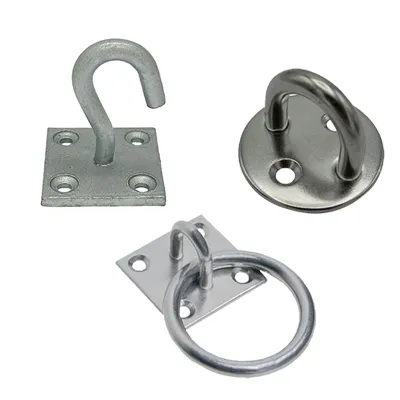
Pins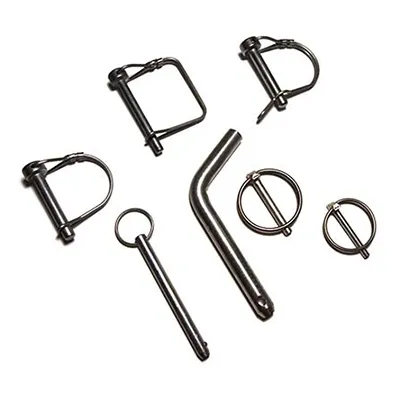 Eye Plate
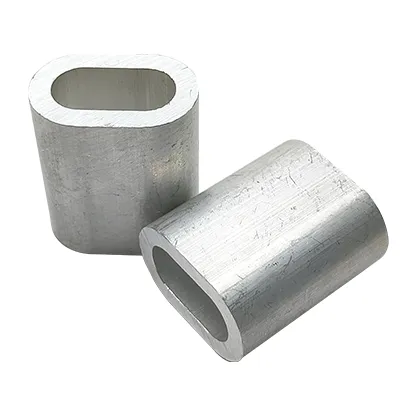
 Wire Rope Ferrules
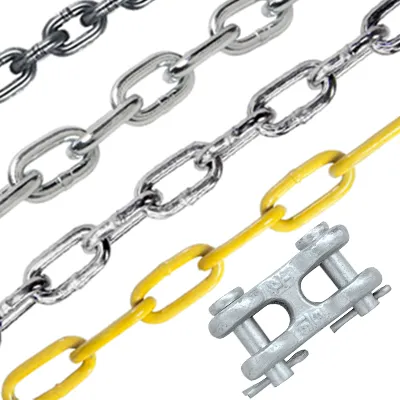
 Chains & Acccessories
 Quick Links
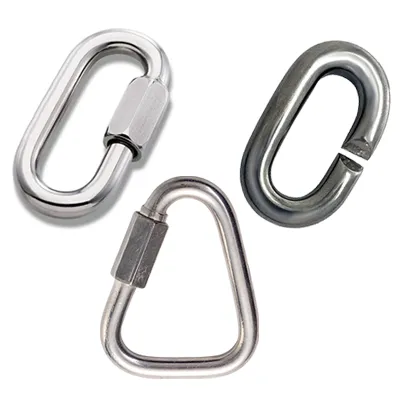 Pulley & Blocks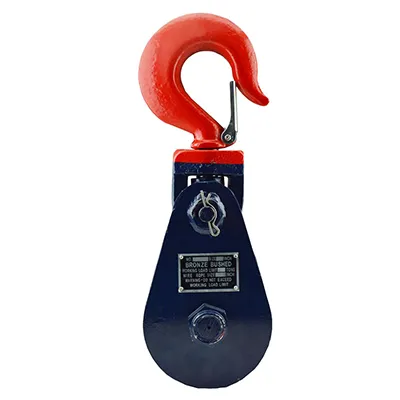
-
Stainless Products
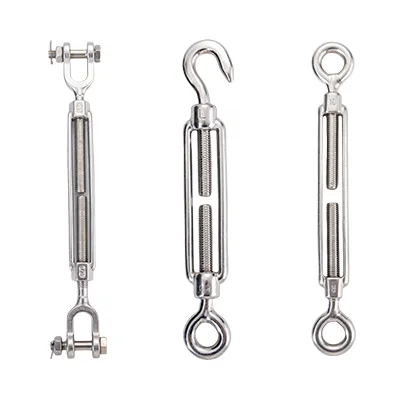
Stainless Turnbuckles
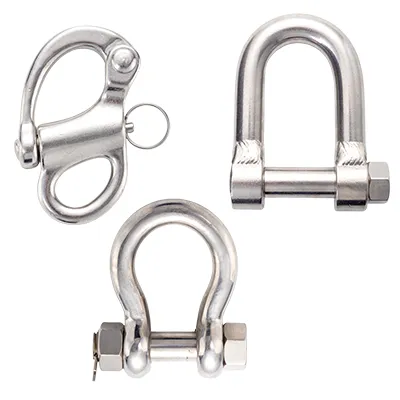
 Stainless Shackles
 Stainless Hooks
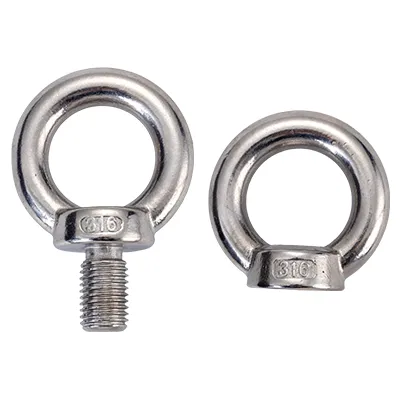
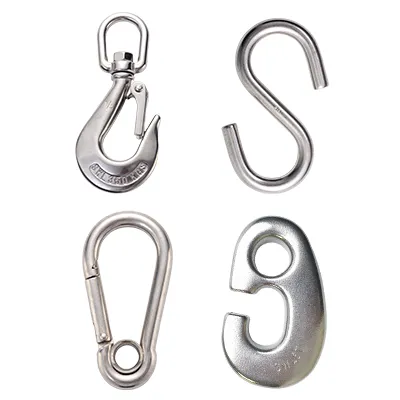 Stainless Eye Bolts & Nuts
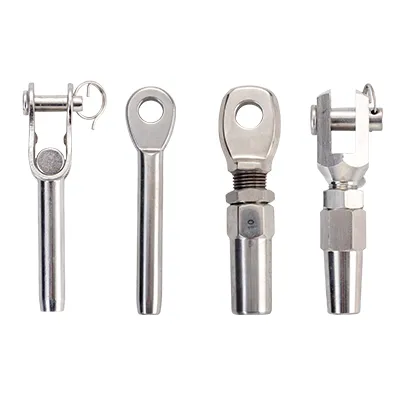
 Stainless Terminals
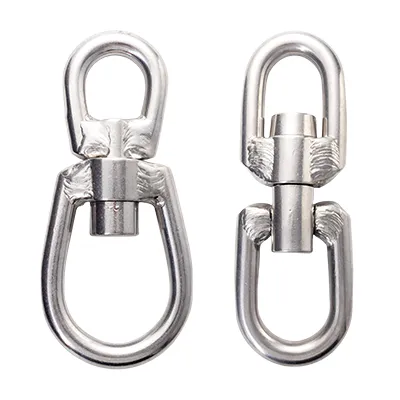
 Stainless Swivels
 Stainless Thimbles
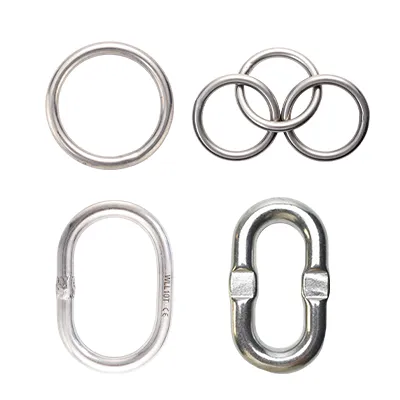
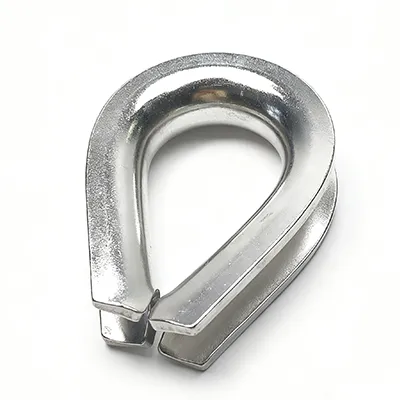 Stainless Rings
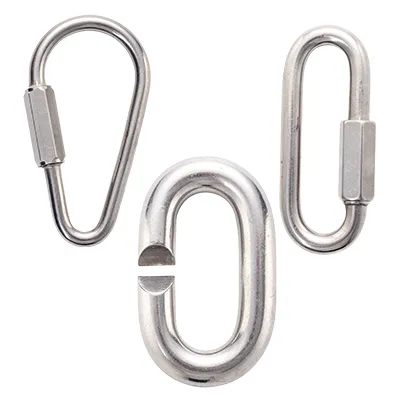
 Stainless Quick Link
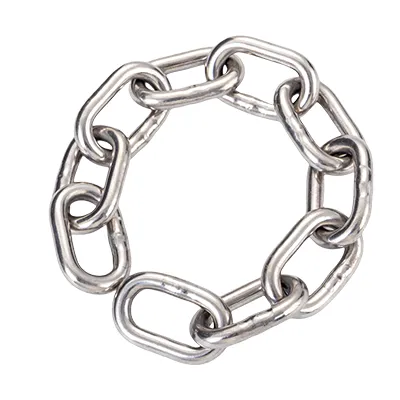
 Stainless Chains
 Stainless Pulleys
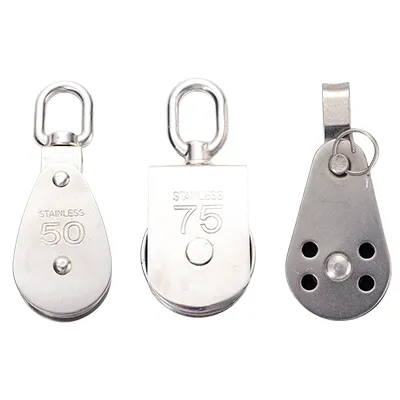 Drop Forged Stainless
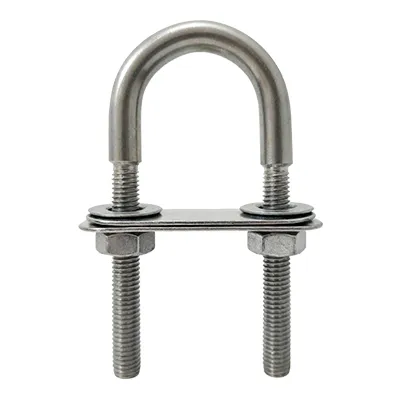
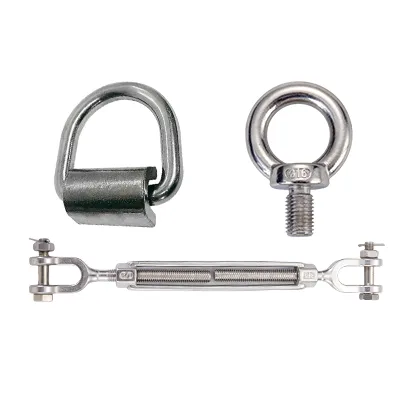 Stainless U Bolts
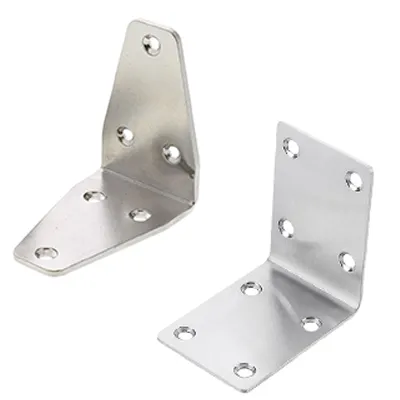
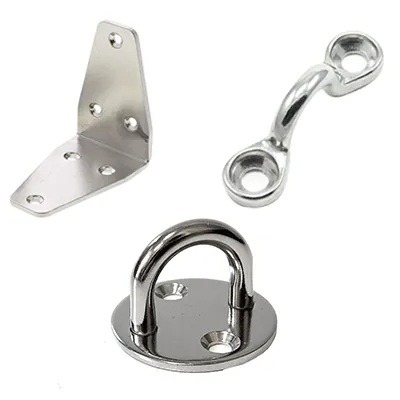
 Eye Plate, Eye Straps, Angles
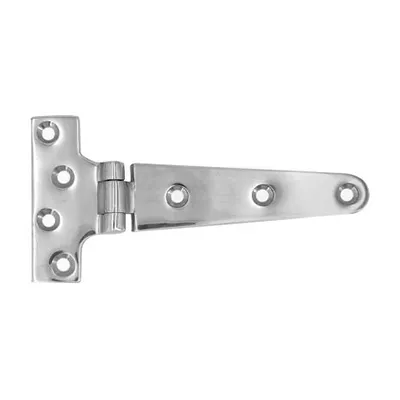
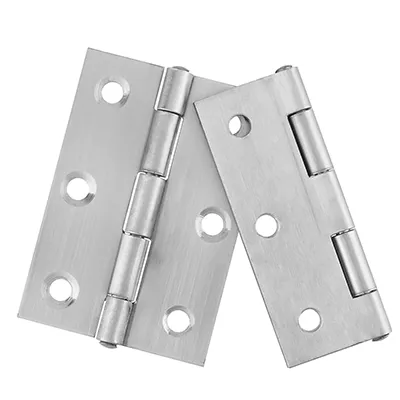
 Stainless Steel Hinge
 Shade Sail Hardware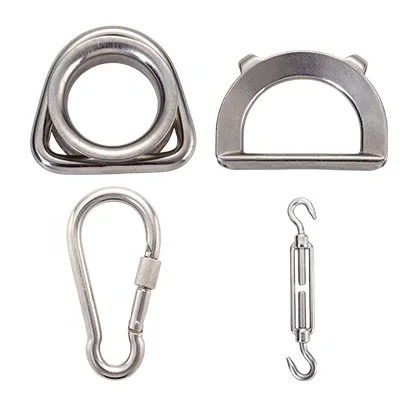
- Deck Hardware
- Company
- Resources