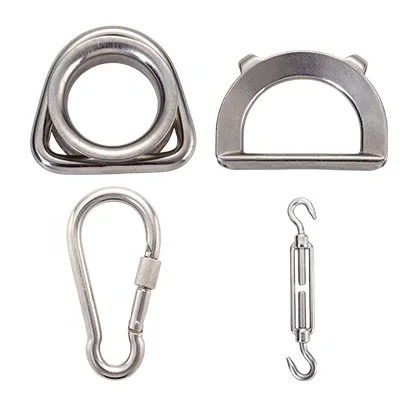
Wire rope, also known as steel cable, is a crucial component in various industries due to its exceptional strength, flexibility, and durability. In the lifting and rigging industries, wire rope is attached to a crane or hoist and fitted with swivels, shackles or hooks to attach to a load and move it in a controlled matter. It can also be used to lift and lower elevators, or as a means of support for suspension bridges or towers. Composed of multiple strands of metal wires twisted together, wire rope is designed to withstand heavy loads, resist abrasion, and operate in harsh environments.
With over 15 years of deep-rooted experience in rigging production, CLGR® now leads you through a comprehensive understanding of wire rope.
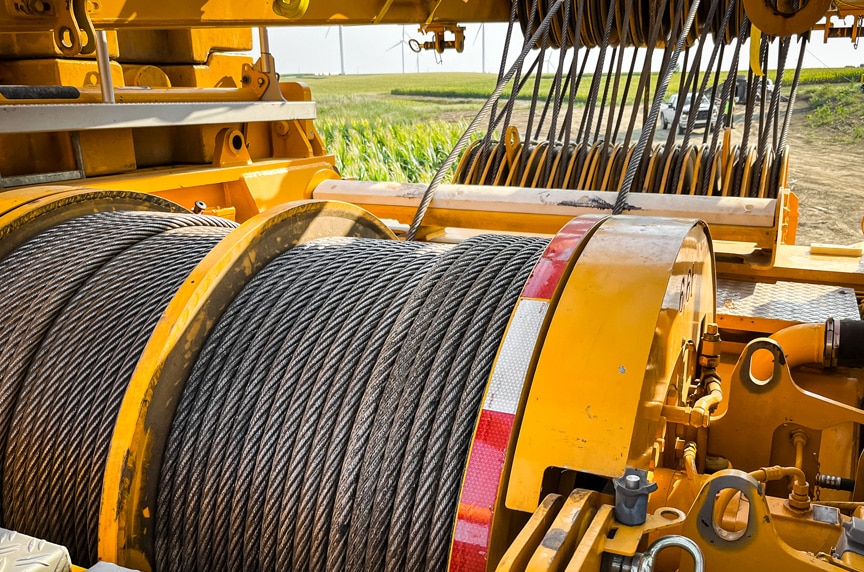
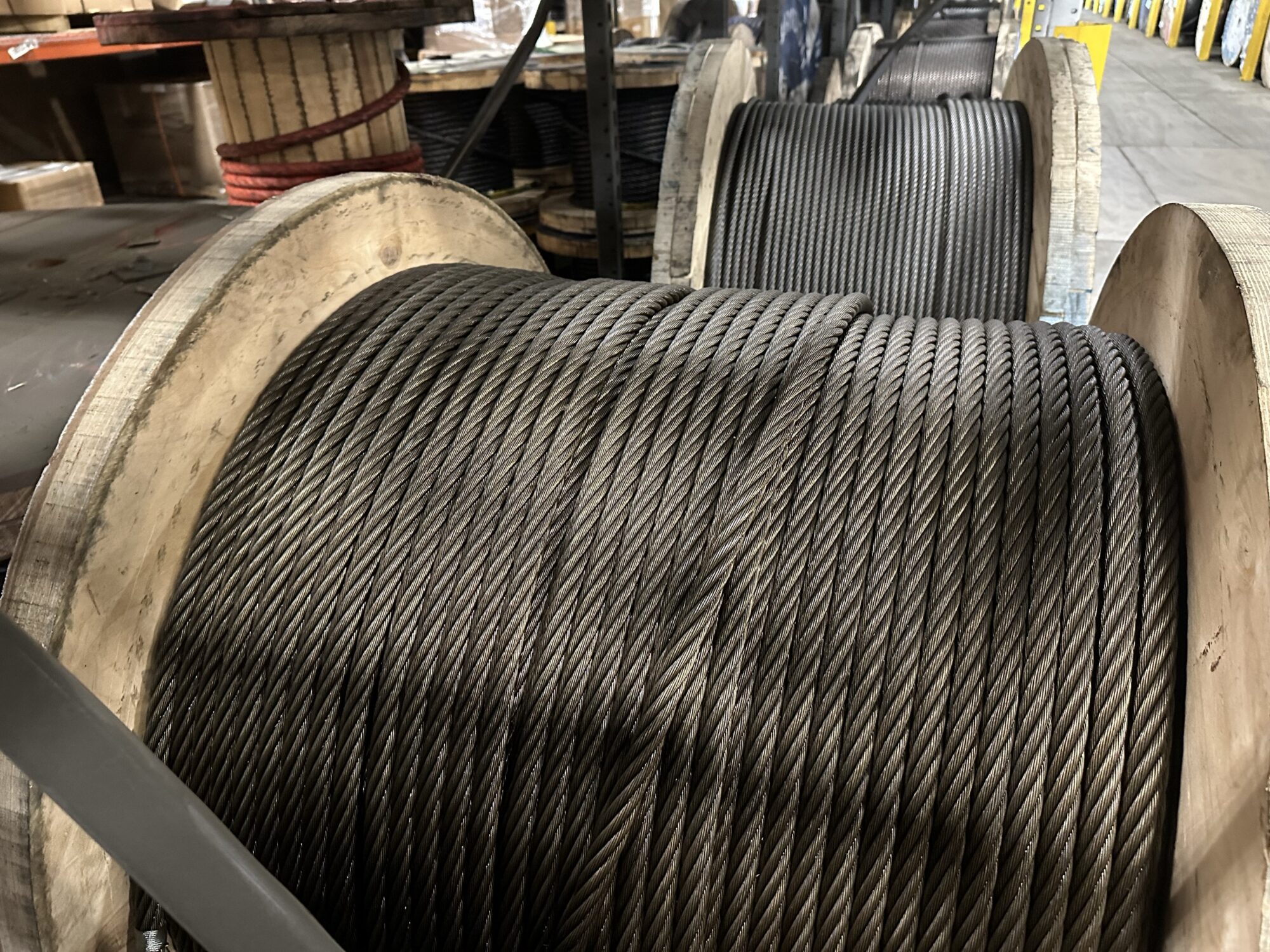
1. Structure of Wire Rope
The structure of wire rope is hierarchical, consisting of three main components:
1.1 Wires
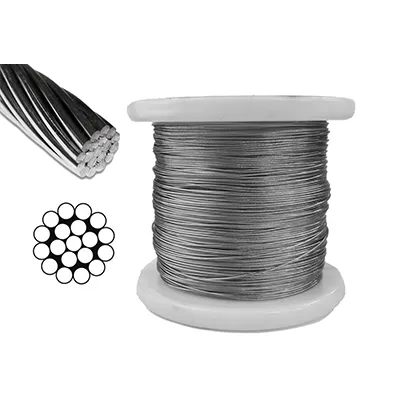
The basic unit of wire rope is the individual wire, typically made of high-carbon steel or other alloys. Wires are drawn to precise diameters and heat-treated to enhance strength and toughness. The number and diameter of wires in a strand determine the rope's flexibility and load-bearing capacity.
1.2 Strands
Wires are twisted together to form strands. The twisting process, known as "lay," can be either right-handed or left-handed. Strands are arranged around a central core, which may be made of fiber (e.g., hemp, polypropylene) or steel. Fiber cores provide flexibility and cushioning, while steel cores offer higher strength and resistance to crushing.
1.3 Core
The core serves as the foundation for the strands, maintaining their position and distributing loads evenly. Fiber cores are commonly used in general-purpose applications, while steel cores are preferred for heavy-duty uses such as crane cables and mining operations. Some wire ropes feature an independent wire rope core (IWRC), which consists of a smaller wire rope as the core, providing maximum strength and durability.
2. Different Types of Wire Rope
The classifications of wire rope provide the total number of strands, as well as a nominal or exact number of wires in each strand. These are general classifications and may or may not reflect the actual construction of the strands. However, all wire ropes of the same size and wire grade in each classification will have the SAME strength and weight ratings and usually the same pricing.
The table below shows some of the most common wire rope configurations arranged in specific classifications.
| Classification | Outer Strands | Wires / Strand |
| 6x7 | 6 | 3–14 |
| 6x19 | 6 | 15–26 |
| 6x36 | 6 | 27–49 |
| 6x61 | 6 | 50–74 |
| 6x91 | 6 | 75–109 |
| 7x19 | 7 | 15–26 |
| 7x36 | 7 | 27–49 |
| 8x7 | 8 | 3–14 |
| 8x19 | 8 | 15–26 |
| 8×36 | 8 | 27–49 |
| 8×61 | 8 | 50–74 |
Essential Fittings for Wire Rope Assemblies
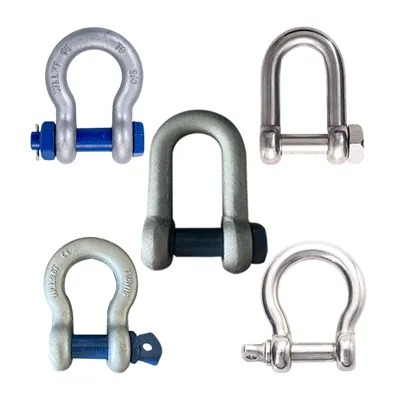
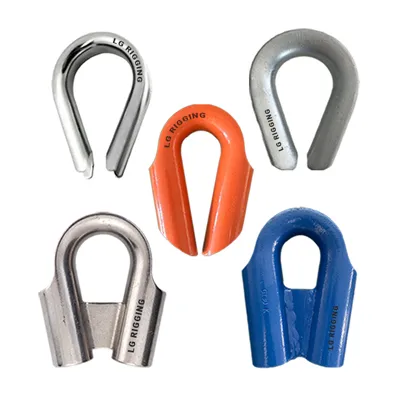
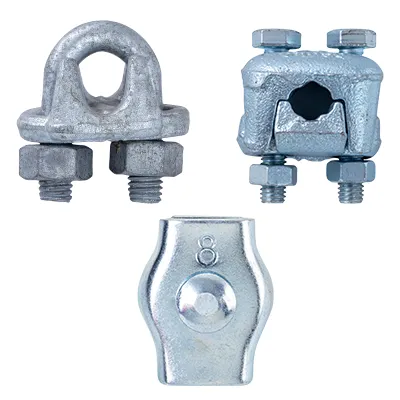
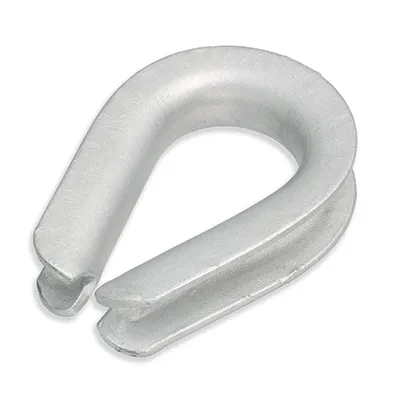
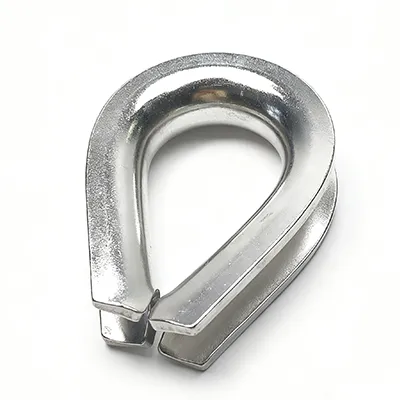
To maximize the safety and longevity of wire rope, using the correct end-terminations and connection hardware is vital. For example, when creating a loop or “eye” at the end of a cable, rope thimbles are indispensable; they protect the wire rope from being crushed or frayed by the pin of the connecting hardware. These loops are typically secured using Wire Rope Clips, which provide a robust and adjustable mechanical grip for both temporary and permanent rigging. Furthermore, in corrosive environments or heavy-duty lifting, these assemblies are often paired with rated stainless steel shackles. These shackles ensure a secure connection between the wire rope and the load, offering verified Working Load Limits (WLL) and exceptional resistance to rust and chemical exposure.
Besides the general classifications of wire rope, there are other types of wire rope that are special construction and designed for special lifting applications.
3. Applications of Wire Rope
Wire rope is used across a wide range of industries due to its versatility. Key applications include:
3.1 Construction and Engineering
In construction, wire rope is used for lifting heavy materials (e.g., steel beams, concrete panels) with cranes and hoists. It is also employed in suspension bridges, where it supports the bridge deck and distributes loads to the towers. Examples include the Golden Gate Bridge and the Akashi Kaikyo Bridge.
3.2 Mining and Resources
Mining operations rely on wire rope for hoisting ore, lowering equipment, and supporting underground structures. Steel-core wire ropes are preferred here due to their high strength and resistance to crushing. They are also used in drilling rigs for oil and gas exploration.
3.3 Transportation
Wire rope is essential in the transportation industry, including elevators, cable cars, and ski lifts. Elevator cables use flexible, high-strength wire ropes to support the elevator car and counterweight. Cable cars and ski lifts utilize rotation-resistant ropes to ensure stable operation on steep inclines.
3.4 Marine and Offshore
Marine applications include mooring lines, towing cables, and offshore drilling. Galvanized or stainless steel wire ropes are used to resist corrosion from saltwater. Offshore platforms use wire rope for lifting equipment and supporting subsea structures.
FAQ
Q1: How many “broken wires” are acceptable before a wire rope must be retired?
A: According to standard safety guidelines (like ASME B30.3), if you find 6 or more randomly distributed broken wires in one rope lay, or 3 broken wires in one strand in one lay, the rope must be removed from service immediately to prevent catastrophic failure.
Q2: What is the typical “Design Factor” (Safety Factor) for rigging wire rope?
A: For general lifting and rigging, a design factor of 5:1 is standard, meaning the breaking strength of the rope must be five times the intended Working Load Limit (WLL). For passenger-carrying equipment like elevators, this ratio can increase to 10:1 or higher.
Q3: Why is internal lubrication essential for a wire rope even if the exterior looks fine?
A: Wire rope is a complex machine with moving parts. When the rope bends over sheaves, internal wires rub against each other. Lubrication reduces this internal friction and prevents “hidden corrosion” inside the core, which is often more dangerous than visible surface wear.
Q4: Can I use a fiber core (FC) wire rope in high-heat industrial environments?
A: It is not recommended. Fiber cores (made of sisal or polypropylene) can char, dry out, or melt at high temperatures, causing the rope to lose structural support and collapse. In high-heat applications, an Independent Wire Rope Core (IWRC) should always be used.
Q5: What is the difference between “Bright” and “Galvanized” wire rope?
A: “Bright” wire rope is made of steel wires that are uncoated (usually just lubricated), offering high strength but minimal corrosion resistance. “Galvanized” wire rope is coated with a layer of zinc, providing a sacrificial barrier that makes it far more suitable for outdoor and marine applications.


 EN
EN







 Hooks
Hooks Shackles
 Rope Thimbles
 Links & Rings
 Kelly's Eye
 Stoppers
 G Hooks & Recessed Links
 Connectors
 Tools
Tools Rockhopper Spare Parts
 Triangles
 Butterflies
 Chains
 Twine and Ropes
 Wire Ropes
 Anchor Equipment
 Wire Rope Clips
 Ferrules
 Terminals
 Turnbuckles
 Fenders & Buoys
 Floats
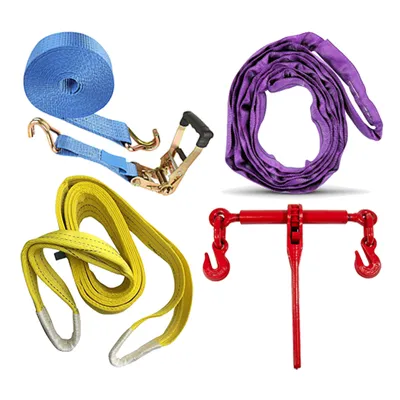
 Lashing & Slings & Load Binders
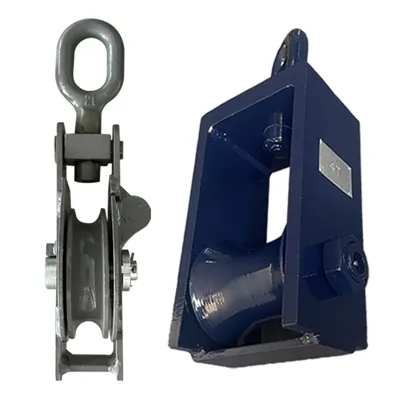
 Pulleys & Blocks
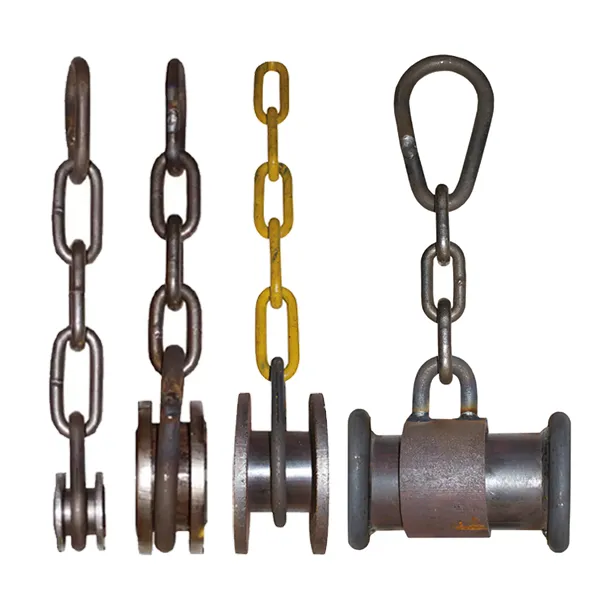
 Wire / Chain Toggles
 Foot Gear
 Trawl Doors
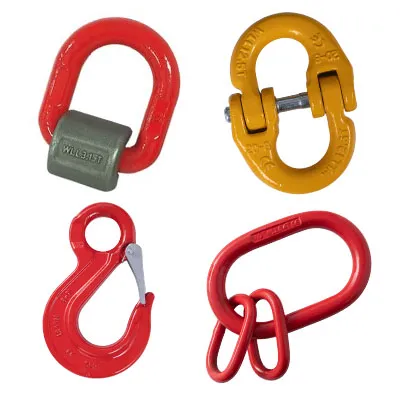 G100 Products
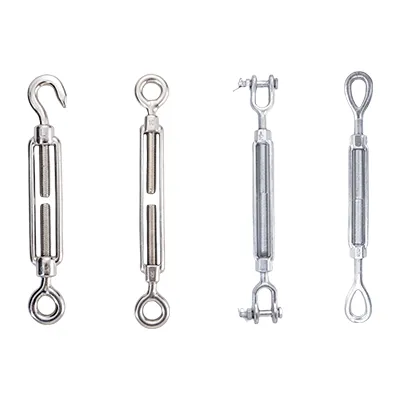
 Turnbuckles
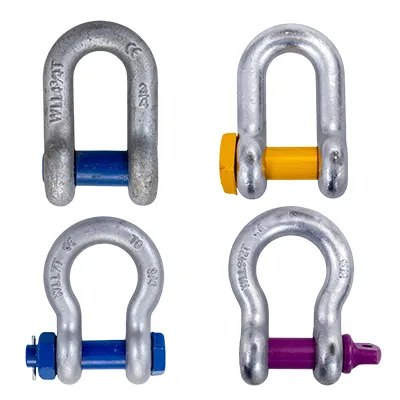
 Shackles
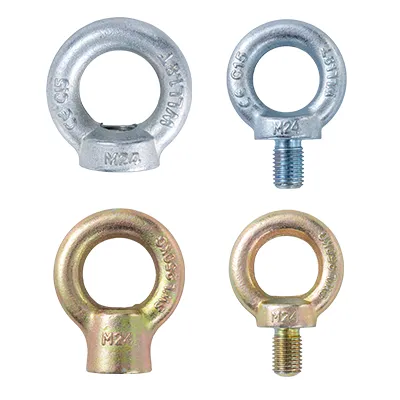
 Eye Bolts & Nuts
 Forged Hooks
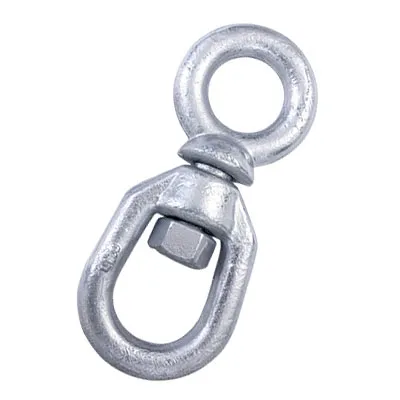
 Swivels
 Wire Rope Clips & Grips
 Wire Rope Thimbles
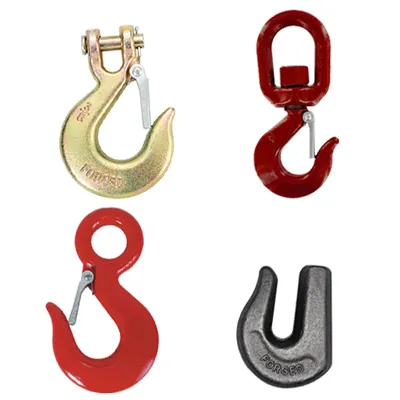
 Snap Hooks
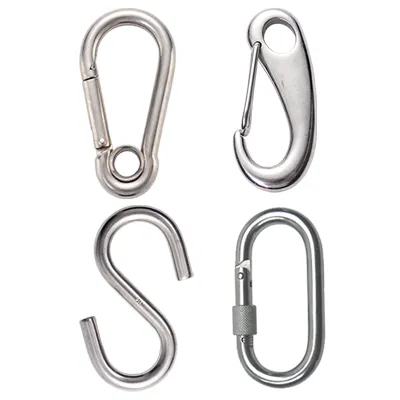 Rings & Connector
 Lever Hoist
 Chain Binders
 Wire Rope
 Lifting Sling
 Forestry Logging Supplies
 Pins
Pins Eye Plate
 Wire Rope Ferrules
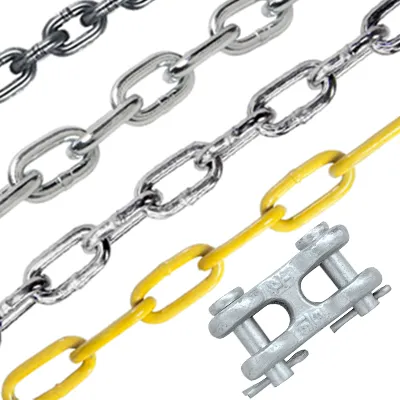
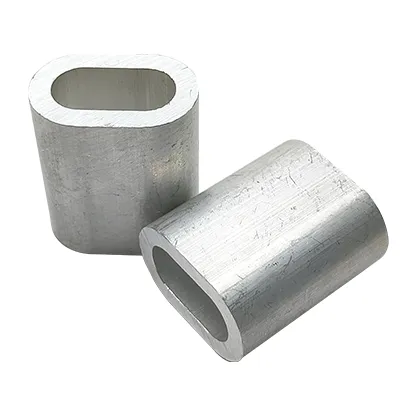 Chains & Acccessories
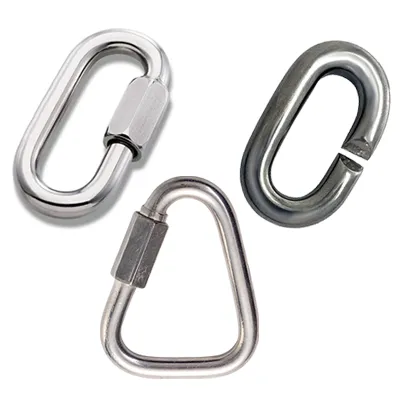
 Quick Links
 Pulley & Blocks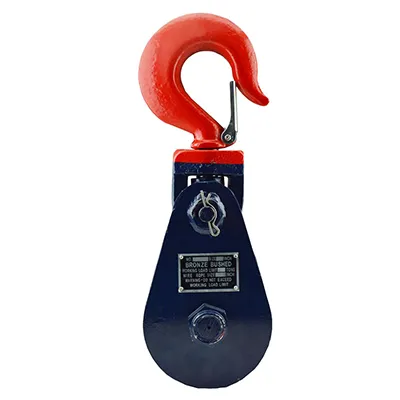
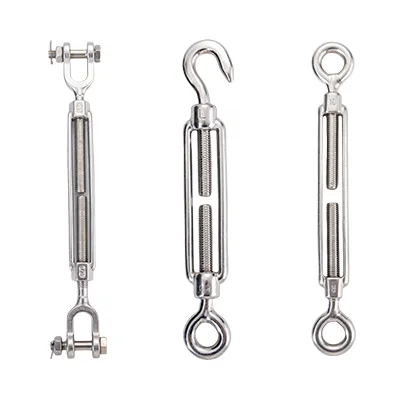 Stainless Shackles
 Stainless Hooks
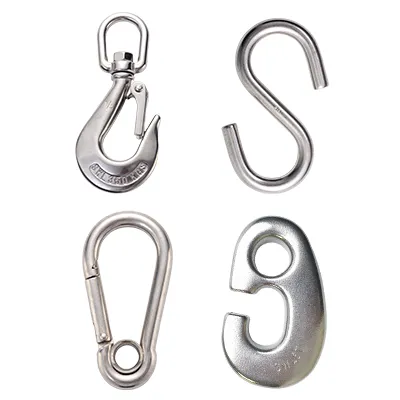 Stainless Eye Bolts & Nuts
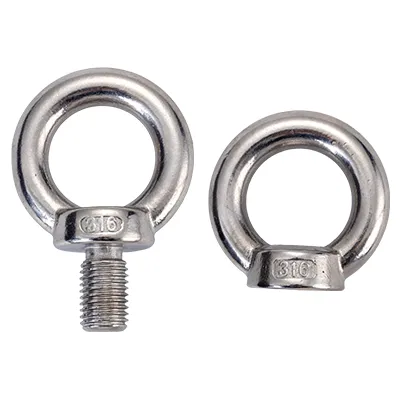 Stainless Terminals
 Stainless Swivels
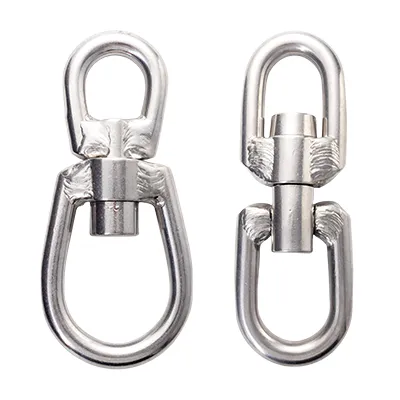 Stainless Thimbles
 Stainless Rings
 Stainless Quick Link
 Stainless Chains
 Stainless Pulleys
 Drop Forged Stainless
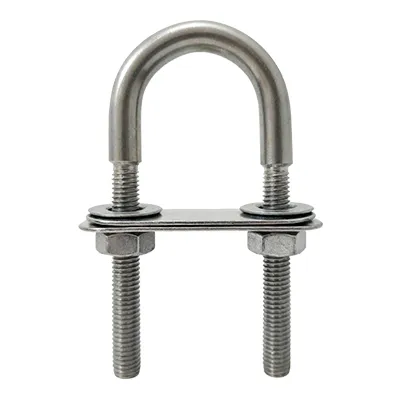
 Stainless U Bolts
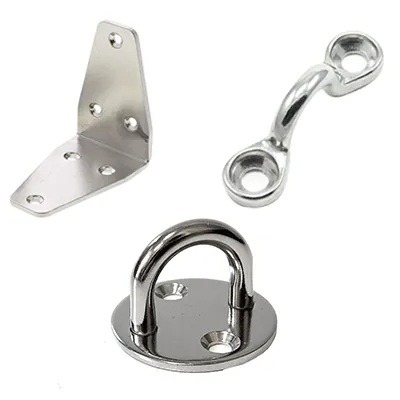
 Eye Plate, Eye Straps, Angles
 Stainless Steel Hinge
 Shade Sail Hardware