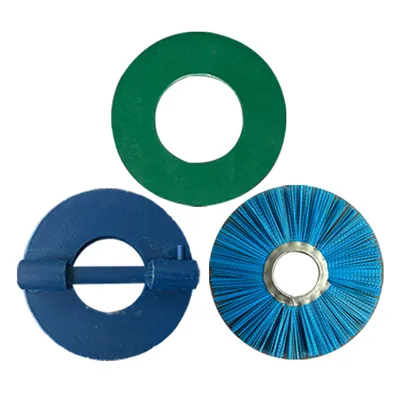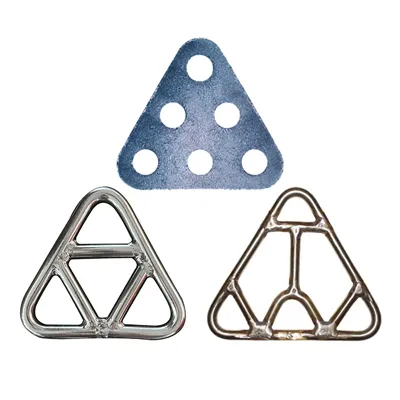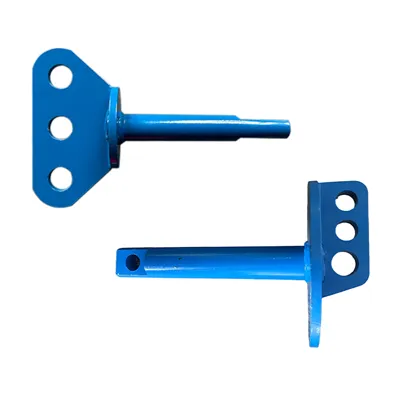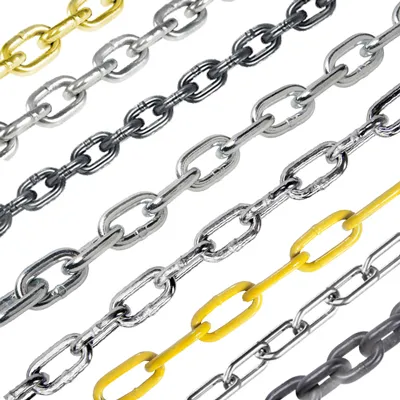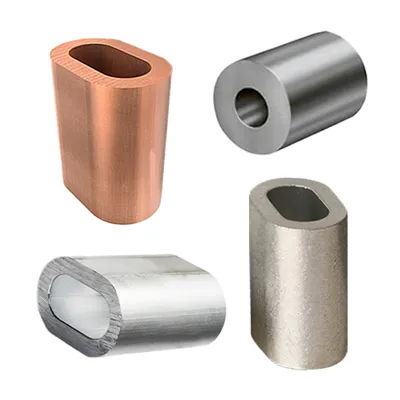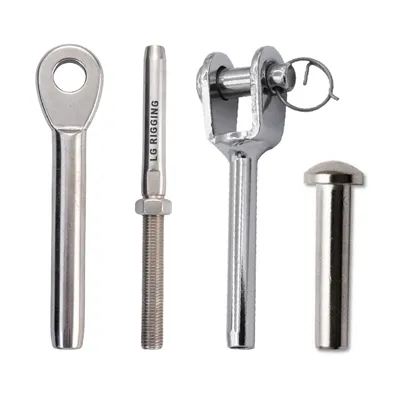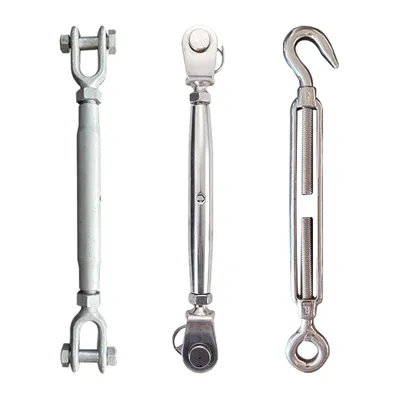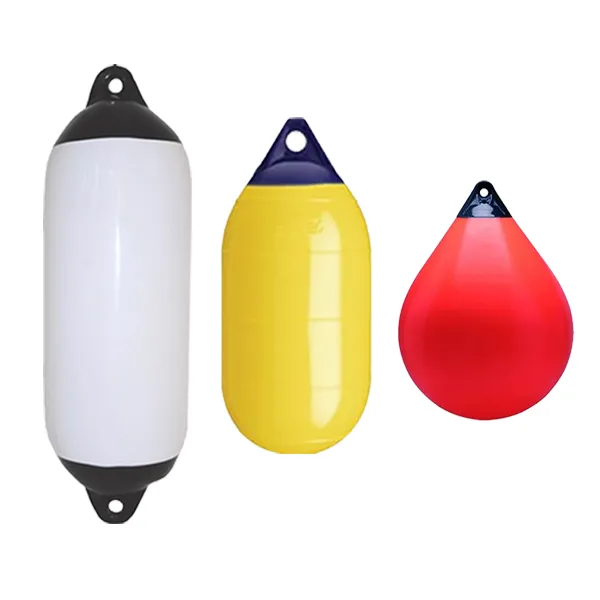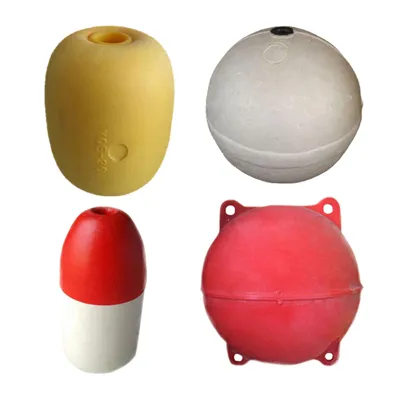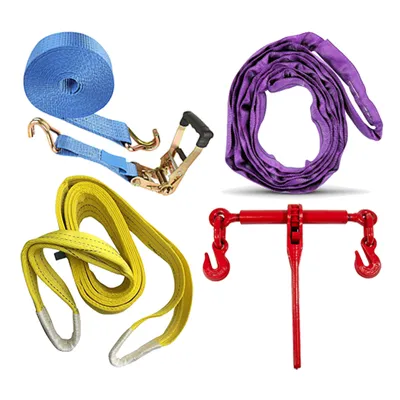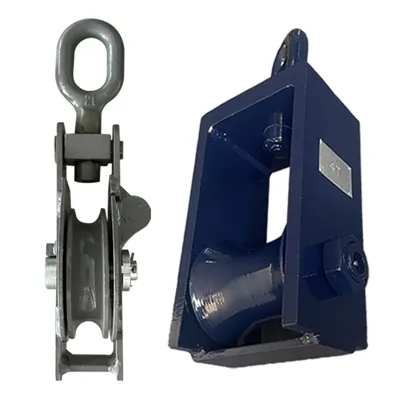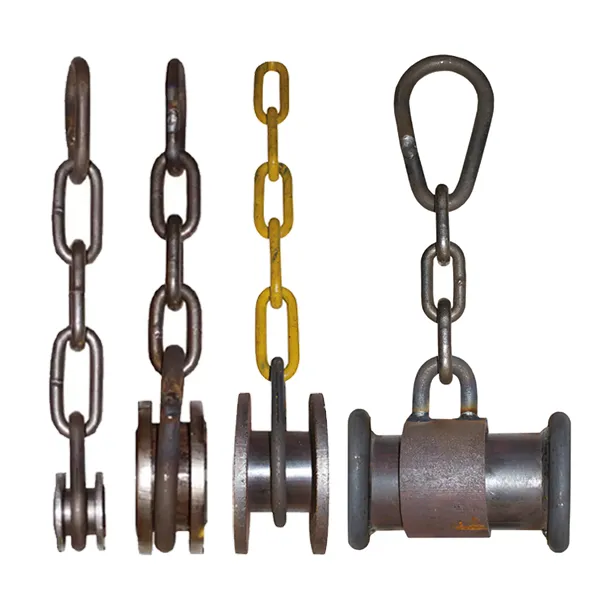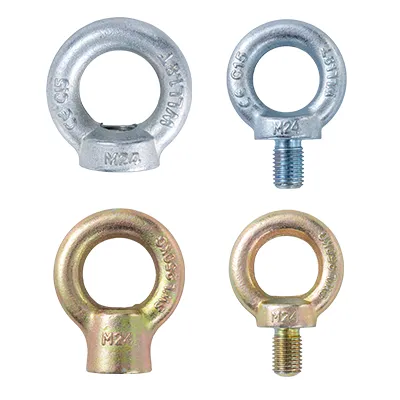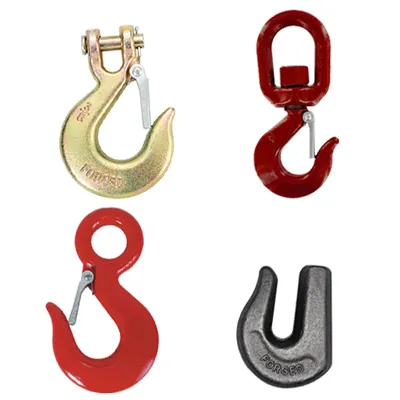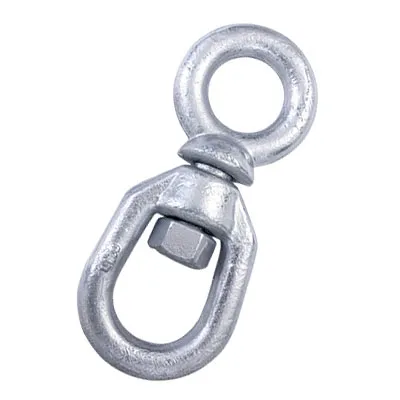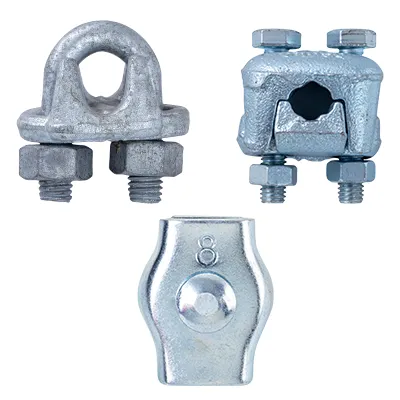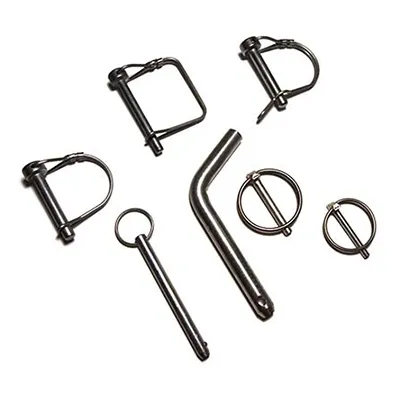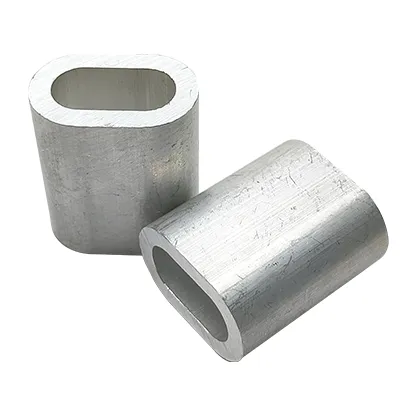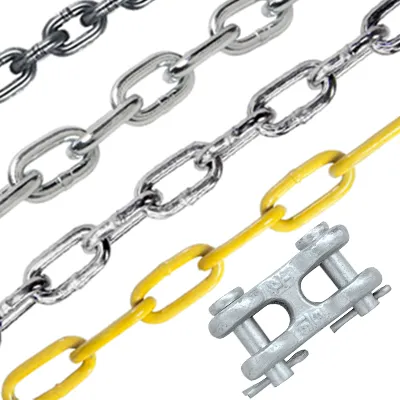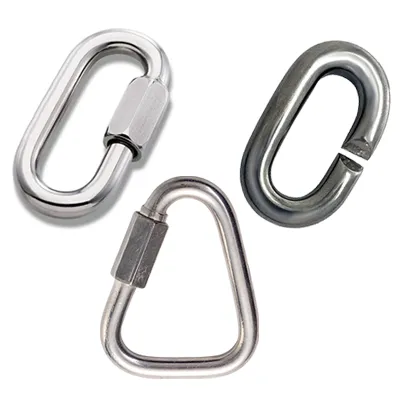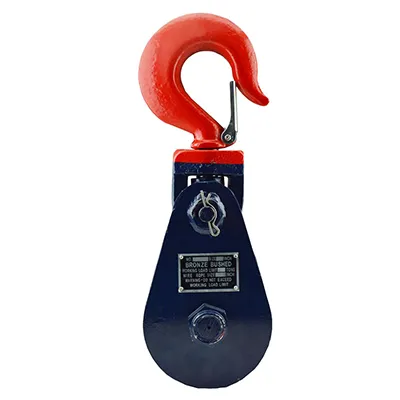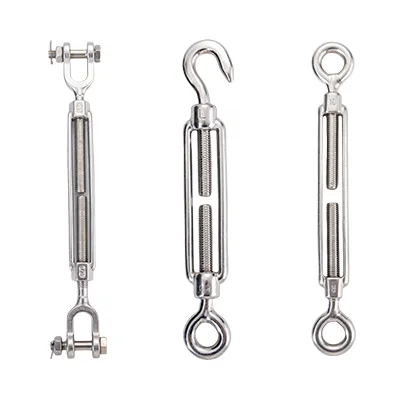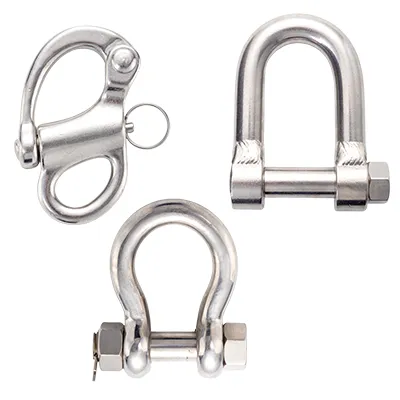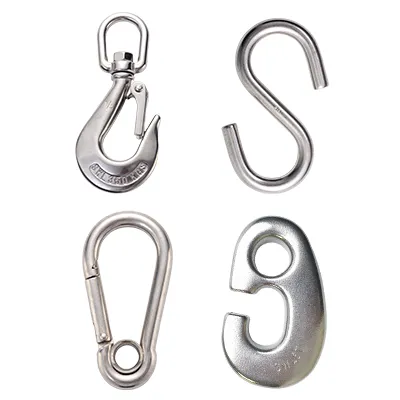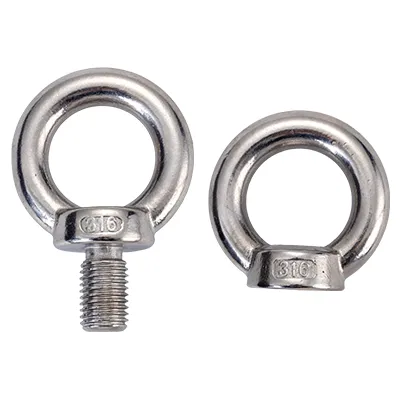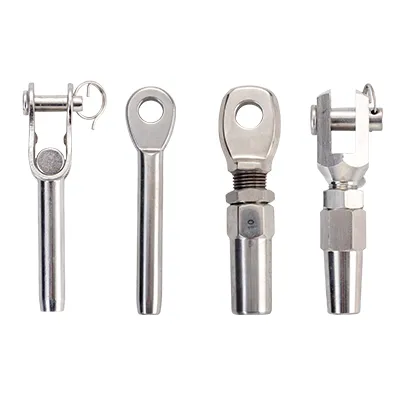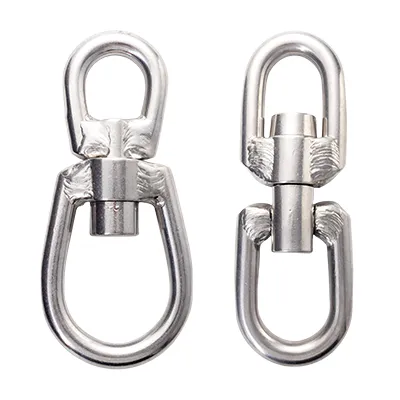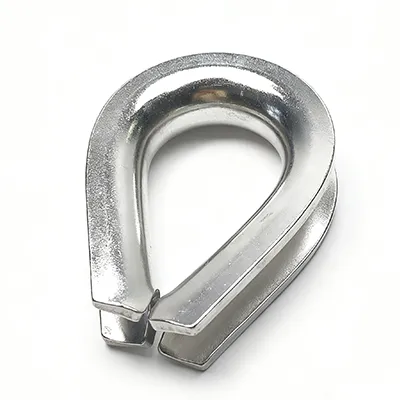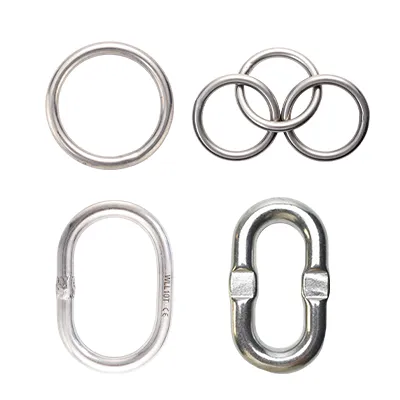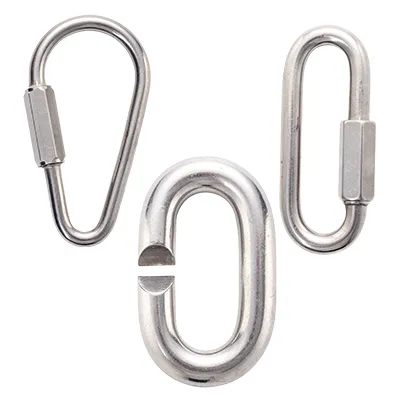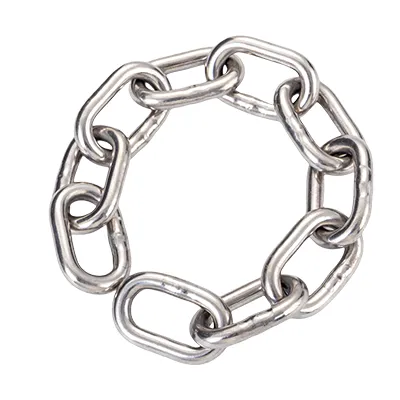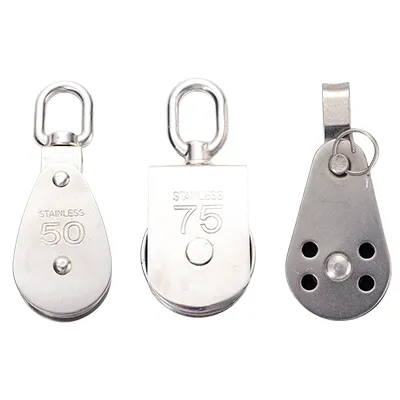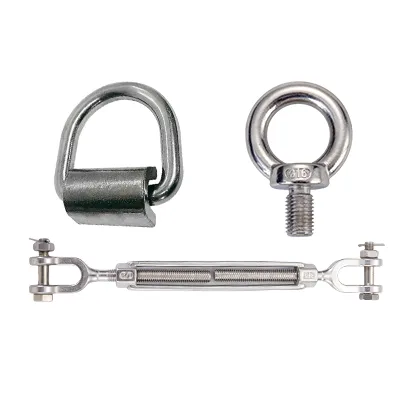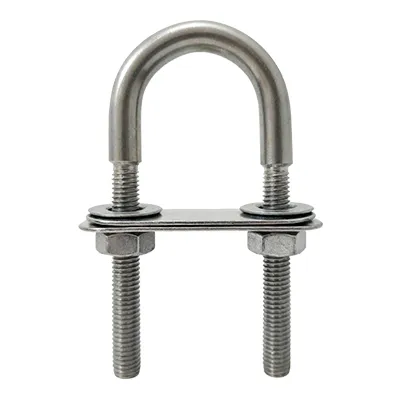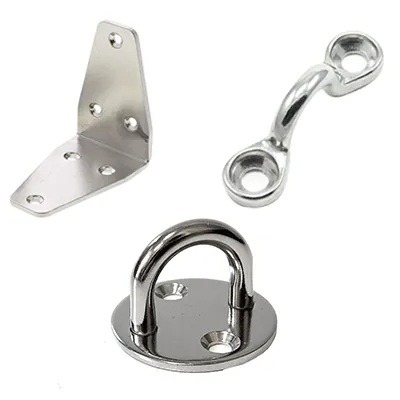
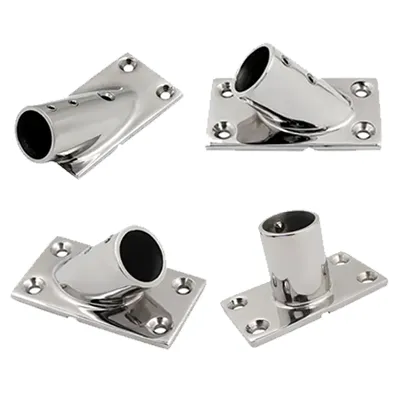
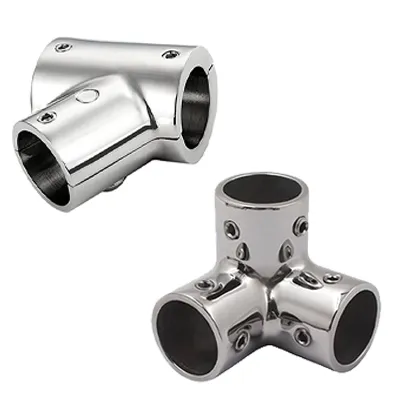
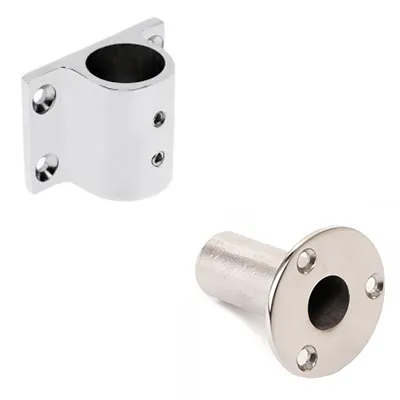
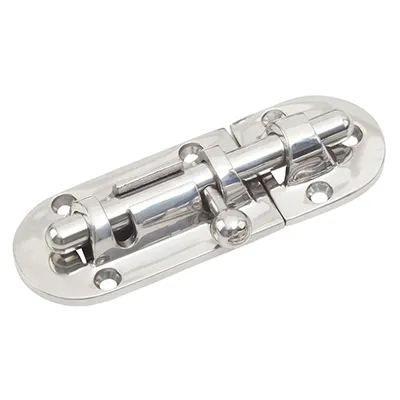
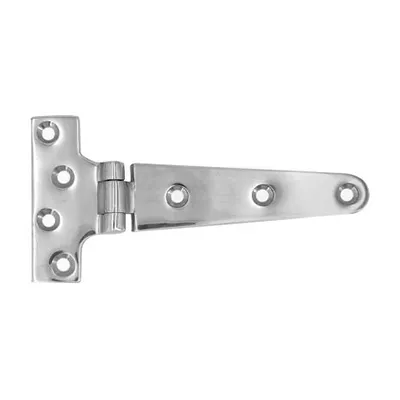
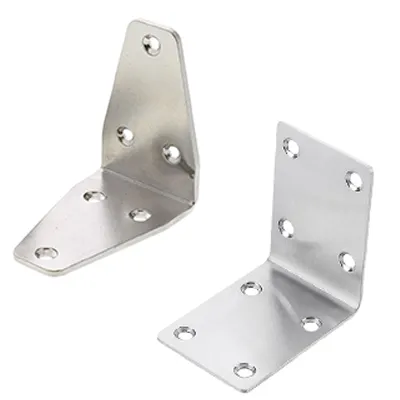

Marine environments demand hardware that can withstand constant exposure to saltwater, vibration, UV radiation, and heavy mechanical loads. This is why marine deck hatch hardware plays a critical role in vessel safety and long-term structural performance. From securing access points to ensuring watertight sealing, these components are essential for both commercial ships and leisure yachts.
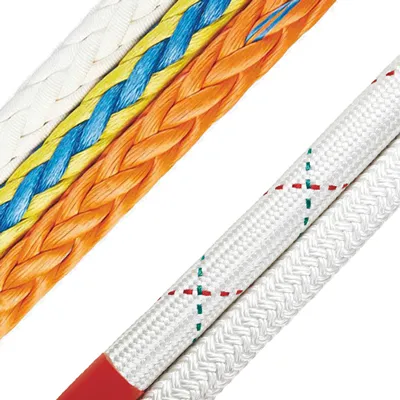
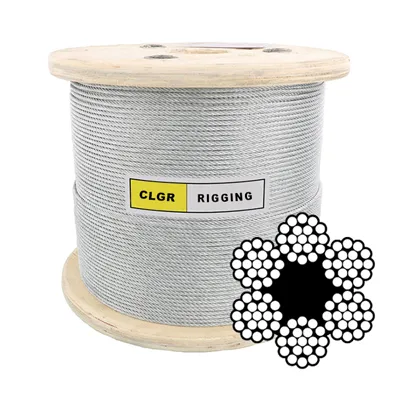
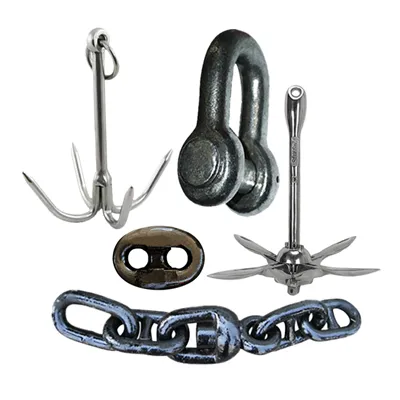
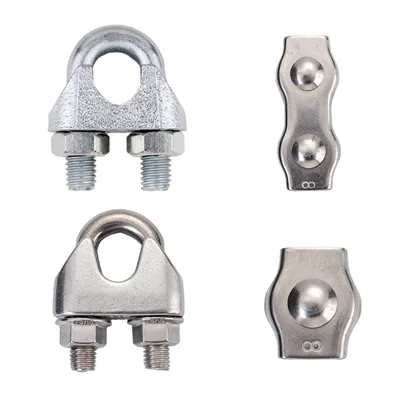
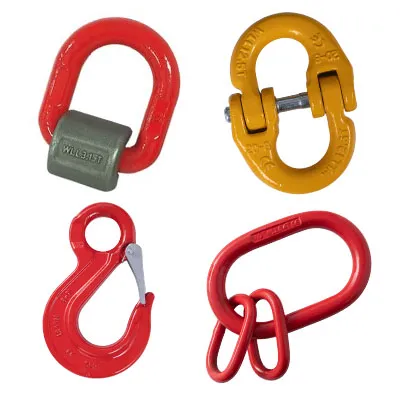
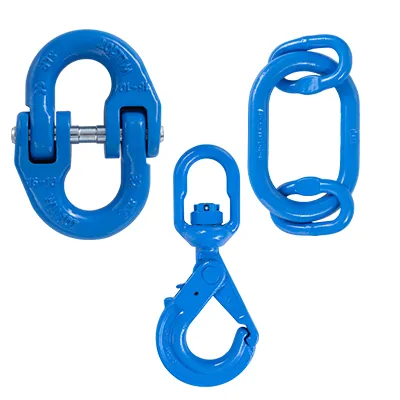
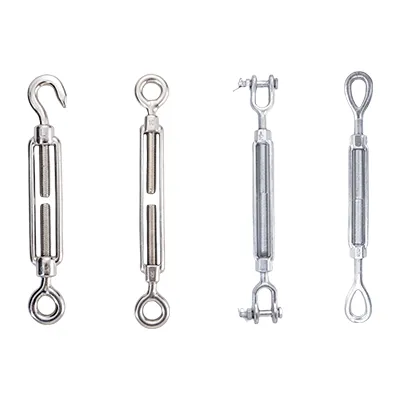
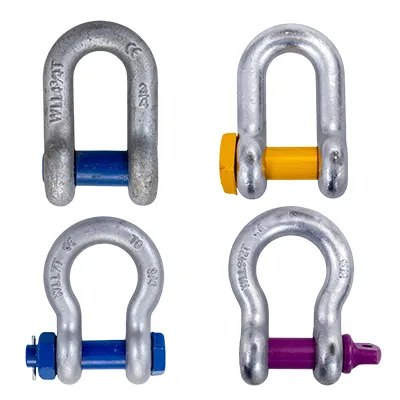
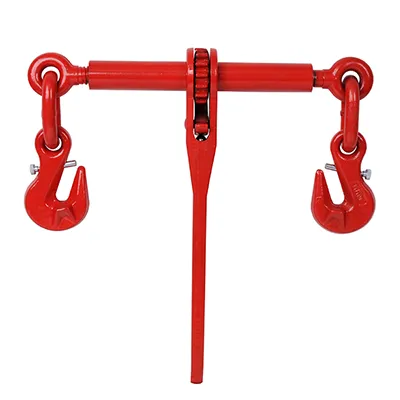
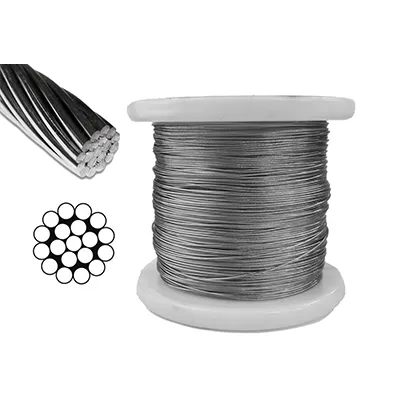
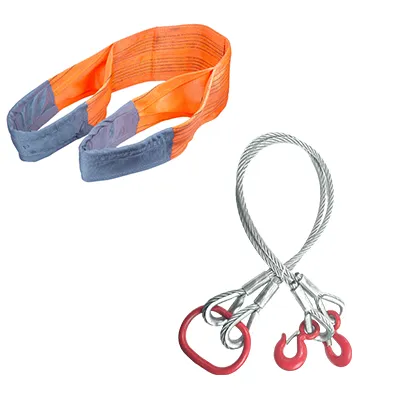
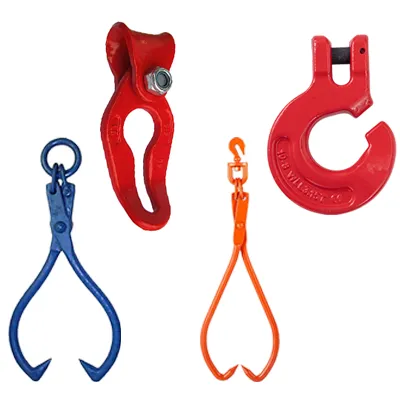
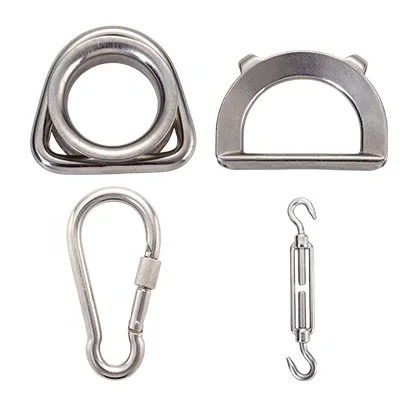
In modern marine and industrial applications, reliable systems such as anchor marine supplies, marine deck hatch hardware, and lifting rigging industrial supplies are widely used to maintain safety, efficiency, and durability under extreme conditions.
Marine deck hatch hardware directly affects the safety and functionality of a vessel. It ensures that hatches, doors, and access points remain secure even in rough sea conditions.
Low-quality fittings can lead to:
Water leakage into internal compartments
Hatch failure under load or vibration
Corrosion damage from saltwater exposure
Increased maintenance and operational risks
Marine-grade hardware is specifically engineered to resist these issues. Materials such as stainless steel are widely used due to their resistance to rust and corrosion in harsh marine environments. Industry references consistently highlight that corrosion resistance and proper load-bearing design are essential for safe marine operations.

Marine deck systems rely on multiple components working together to ensure functionality and safety. Each part serves a specific role in vessel operation.
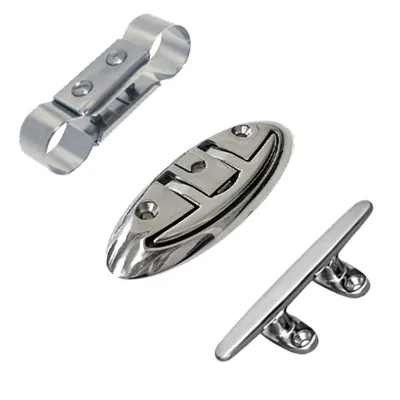
Cleats (mooring and securing lines)
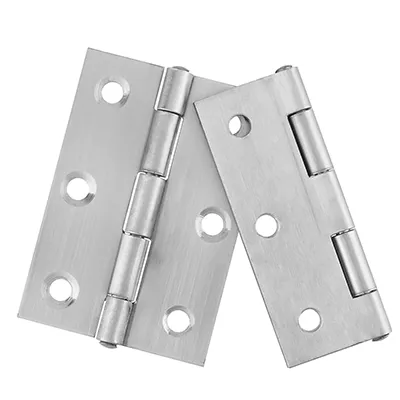
Hinges (hatch and door movement systems)
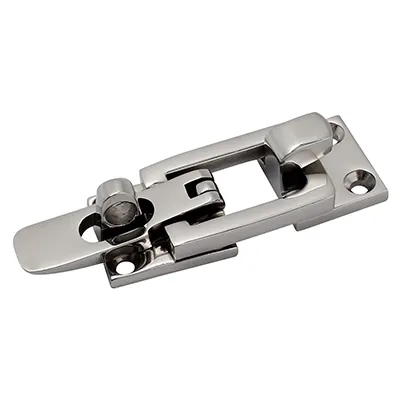
Latches (secure locking mechanisms)
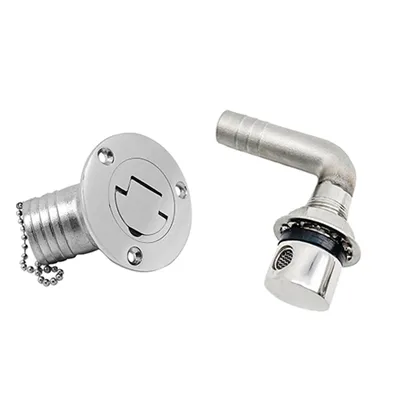
Deck fillers (sealed access points)
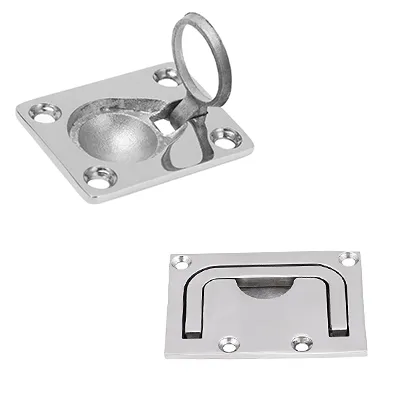
Grab handles (safety and support)
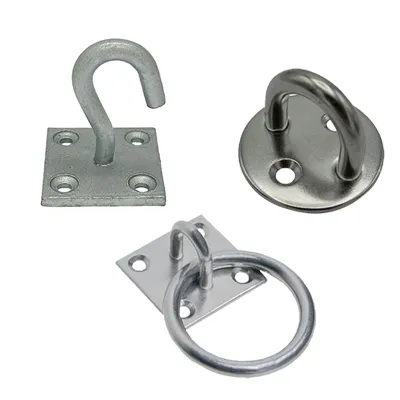
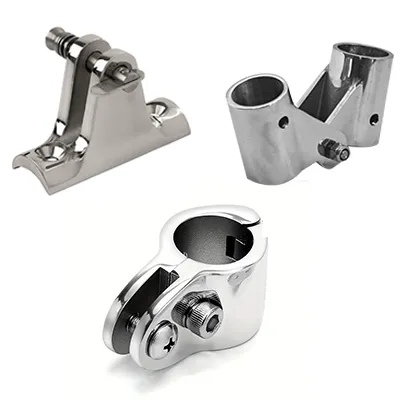
Pad eyes and mounting points (load distribution)
Each component must withstand continuous stress from motion, water exposure, and mechanical force.
Material choice is one of the most important factors in marine hardware performance.
| Material | Corrosion Resistance | Best Use Case | Durability |
|---|---|---|---|
| 316 Stainless Steel | Excellent (chloride-resistant) | Offshore, saltwater environments | Very High |
| 304 Stainless Steel | Moderate | Inland or low-salinity environments | High |
316 stainless steel contains molybdenum, which significantly improves resistance to pitting corrosion caused by saltwater exposure. This makes it the preferred choice for marine deck fittings used in offshore or coastal operations.
Even high-quality marine hardware can fail if it is not installed correctly. Proper installation ensures long-term performance and structural integrity.
Key best practices include:
Always use through-bolting instead of surface screws for load-bearing fittings
Install backing plates to distribute force evenly across the deck
Apply marine-grade sealant around all drilled holes to prevent water intrusion
Ensure correct torque levels to avoid loosening under vibration
Avoid mixing incompatible metals to reduce galvanic corrosion risk
Proper installation is especially important in high-stress areas such as hatches, mooring points, and rigging zones.
Marine deck hardware is used across multiple industries and vessel types. Its applications go far beyond recreational boating.
Common use cases include:
Commercial shipping vessels
Offshore platforms and marine engineering projects
Fishing and aquaculture operations
Yacht and luxury boat construction
Industrial marine transport systems
In each application, hardware reliability directly impacts operational safety and efficiency.
CLGR Industrial provides engineered solutions designed for demanding marine and industrial environments. The company focuses on high-strength components that meet the needs of global maritime operations.
Its product ecosystem supports anchor marine supplies, marine deck hatch hardware, and lifting rigging industrial supplies, forming a complete system for marine construction and heavy-duty lifting applications.
Key strengths include:
Corrosion-resistant materials for long service life
High mechanical strength for heavy-load environments
Consistent manufacturing quality control
Broad application across marine and industrial sectors
These advantages make CLGR a reliable supplier for projects requiring durable and safety-focused marine components.
For a more comprehensive understanding of how marine systems, deck components, and lifting equipment work together across different industries, you can refer to the main overview article: The Ultimate Guide to Marine Anchor Supplies, Deck Hardware and Lifting Rigging in 202
It is used to secure, open, and reinforce access points such as hatches and doors on marine vessels, ensuring safety and waterproof protection.
Stainless steel resists rust and corrosion caused by saltwater exposure, making it ideal for long-term marine applications.
Regular rinsing with fresh water, periodic inspection, and applying anti-corrosion treatments help extend hardware lifespan.
Common causes include corrosion, poor installation, metal fatigue, and exposure to constant mechanical stress.
Yes, many marine-grade components are also suitable for industrial applications requiring high strength and corrosion resistance.