Fishing hooks are one of the most critical components in modern angling, directly affecting hook-up ratio, fish retention, and overall fishing efficiency. Whether targeting freshwater bass, offshore tuna, or commercial species, selecting the correct fishing hook can significantly improve catch performance and reduce lost fish.
According to industry estimates, the global fishing equipment market exceeded USD 16 billion in recent years, with fishing hooks remaining among the most frequently purchased tackle products due to regular replacement and specialized fishing applications.
For professional buyers, distributors, and fishing tackle brands, high-quality hooks are not only essential for performance but also important for durability, corrosion resistance, and customer satisfaction. CLGR® supplies a wide range of precision-manufactured fishing hooks designed for recreational and commercial applications worldwide.
What Is a Fishing Hook?
A fishing hook is a curved metal device designed to secure bait and catch fish by penetrating the fish’s mouth during a strike.
Fishing hooks have evolved dramatically over the past century. Traditional hand-forged hooks have largely been replaced by chemically sharpened high-carbon steel and stainless-steel hooks manufactured with advanced precision processes. Modern hooks are engineered to balance strength, penetration speed, corrosion resistance, and fish-holding capability.
For deeper understanding of recreational fishing gear standards and conservation practices, the American Sportfishing Association provides extensive industry resources and market data.
Main Types of Fishing Hooks
Fishing hooks are categorized based on shape, application, and target species.
Different hook styles are optimized for specific fishing techniques. Choosing the wrong hook can reduce landing rates even when fish are actively feeding.
| Hook Type | Best Use | Main Advantage |
| J Hook | General fishing | Versatile and easy to use |
| Circle Hook | Saltwater & catch-and-release | Reduces deep hooking |
| Treble Hook | Lures and crankbaits | Higher hook-up ratio |
| Octopus Hook | Live bait fishing | Excellent bait presentation |
| Baitholder Hook | Natural bait fishing | Keeps bait secure |
| Weedless Hook | Heavy vegetation | Minimizes snagging |
Fishing Hook Sizes and How They Work
Fishing hook sizes indicate the physical dimensions of a hook and determine compatibility with bait size and target species.
Fishing hook sizing can initially appear confusing because smaller numbers represent larger hooks up to size 1, while larger fish hooks continue into “aught” sizes such as 1/0, 2/0, and 10/0.
General Hook Size Guidelines
| Hook Size | Typical Target Fish |
| #24–#16 | Small panfish, trout |
| #14–#8 | Perch, crappie |
| #6–#1 | Bass, walleye |
| 1/0–4/0 | Catfish, salmon |
| 5/0–10/0 | Tuna, shark, offshore species |
Premium manufacturers such as CLGR® maintain strict dimensional tolerances to ensure consistency across large-volume hook production.
For tournament fishing standards and international angling records, anglers frequently reference the International Game Fish Association (IGFA).
Fishing Hook Materials and Coatings
Fishing hook materials determine strength, sharpness retention, and corrosion resistance.
Most modern fishing hooks are made from high-carbon steel due to its balance of hardness and flexibility. However, different fishing environments require different coatings and material treatments.
Common Hook Materials
| Material | Key Benefit | Typical Application |
| High Carbon Steel | Strong and sharp | Freshwater fishing |
| Stainless Steel | Corrosion resistant | Saltwater fishing |
| Vanadium Steel | Extra durability | Heavy-duty applications |
| Forged Steel | Increased strength | Big game fishing |
Popular Hook Coatings
| Coating | Purpose |
| Black Nickel | Corrosion protection |
| Teflon Coating | Faster penetration |
| Bronze Finish | Standard freshwater use |
| Tin Coating | Saltwater resistance |
Chemically sharpened hook points are now standard in premium products because they penetrate fish tissue more efficiently than mechanically sharpened hooks.
Manufacturing precision is also increasingly important in OEM and wholesale markets. Buyers often require:
Automated quality inspection
Consistent barb geometry
Anti-rust surface treatment
High tensile strength testing
Industrial manufacturing expertise from Contact CLGR® supports global tackle brands seeking dependable fishing hook supply chains.
How to Choose the Best Fishing Hook
Choosing the best fishing hook depends on fishing environment, target species, bait type, and fishing technique.
There is no universal “best” hook because each fishing scenario requires different hook characteristics.
Freshwater Fishing
Bass anglers often prefer:
Saltwater Fishing
Saltwater applications typically require:
Stainless steel hooks
Circle hooks
Heavy-gauge construction
Commercial Fishing
Commercial operators prioritize:
Catch-and-Release Fishing
Barbless hooks are increasingly used because they:
Professional tackle buyers also evaluate:
As a specialized industrial manufacturer, CLGR® supports OEM and wholesale fishing tackle requirements with scalable production and customized hook solutions.
Conclusion
Fishing hooks may appear simple, but they are highly engineered components that directly influence fishing success, fish retention, and overall tackle performance. From hook shape and sizing to material selection and coating technology, every detail affects how effectively a hook performs in real fishing conditions.
As fishing techniques continue to evolve, demand for durable, corrosion-resistant, and precision-manufactured hooks will continue to grow across both recreational and commercial markets.
With advanced manufacturing capabilities and global supply experience, CLGR® provides dependable fishing hook solutions tailored for distributors, OEM brands, and industrial buyers worldwide.
FAQ About Fishing Hooks
What is the best type of fishing hook for beginners?
J hooks are generally considered the best option for beginners because they are versatile, widely available, and easy to rig.
Are circle hooks better than J hooks?
Circle hooks are often better for catch-and-release fishing because they reduce deep hooking and improve fish survival rates.
What size fishing hook should I use for bass?
Bass fishing commonly uses hook sizes ranging from #2 to 4/0 depending on bait type and fishing technique.
Do stainless steel hooks rust?
Stainless steel hooks are highly corrosion resistant but can still develop surface corrosion after prolonged saltwater exposure.
Why are chemically sharpened hooks important?
Chemically sharpened hooks offer faster penetration and improved hook-up efficiency compared with traditional sharpening methods.
How often should fishing hooks be replaced?
Fishing hooks should be replaced when they become dull, bent, corroded, or structurally weakened after repeated use.


 EN
EN

.webp "How to Pick the Best Boat Anchor: Your Guide to Secure and Relaxing Boating")

 Hooks
Hooks Shackles
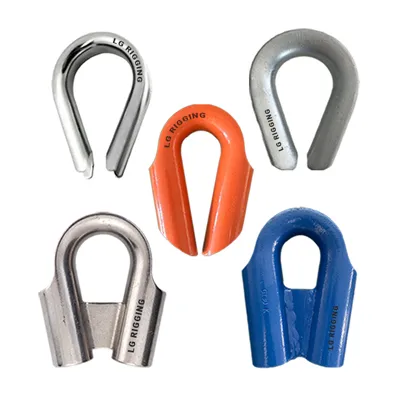
 Rope Thimbles
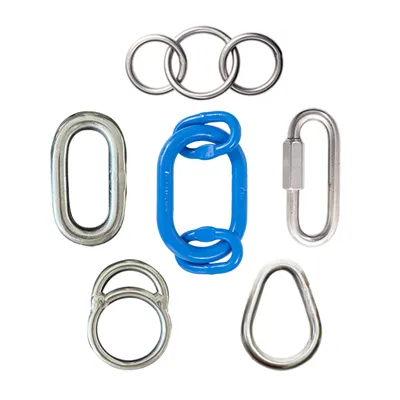
 Links & Rings
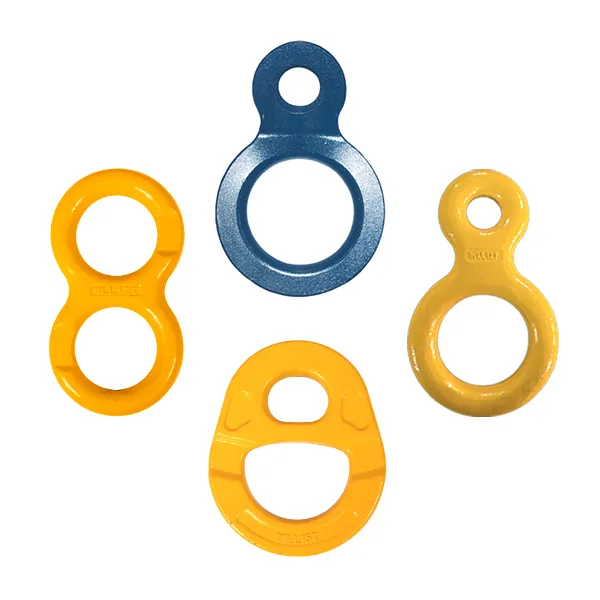
 Kelly's Eye
 Stoppers
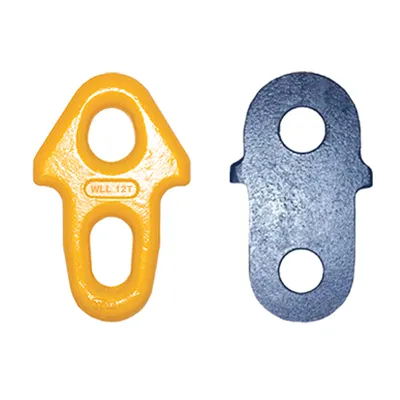 G Hooks & Recessed Links
 Connectors
 Tools
Tools Rockhopper Spare Parts
 Triangles
 Butterflies
 Chains
 Twine and Ropes
 Wire Ropes
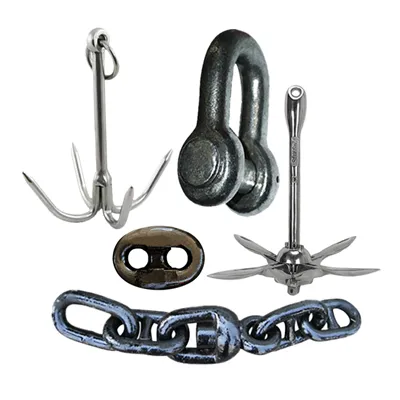
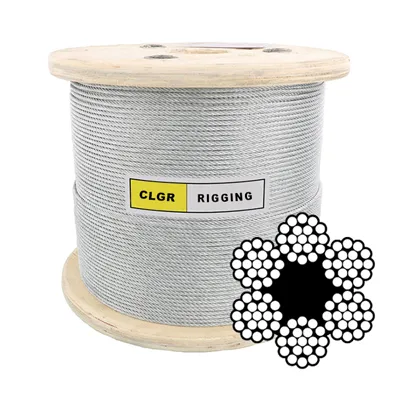 Anchor Equipment
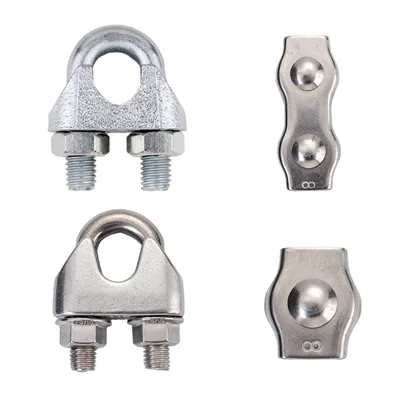
 Wire Rope Clips
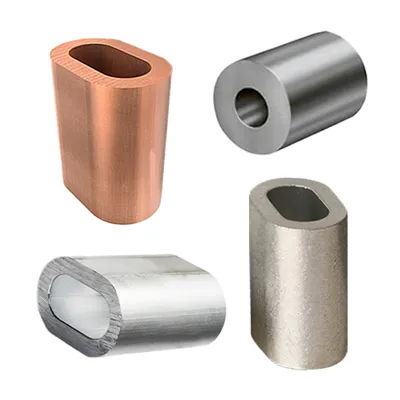
 Ferrules
 Terminals
 Turnbuckles
 Fenders & Buoys
 Floats
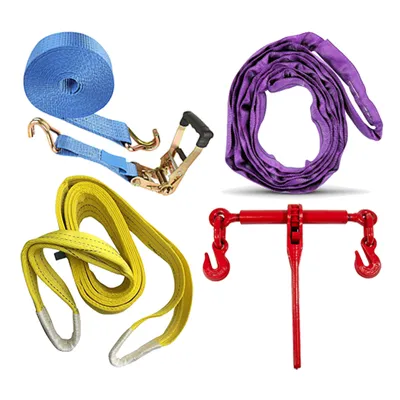
 Lashing & Slings & Load Binders
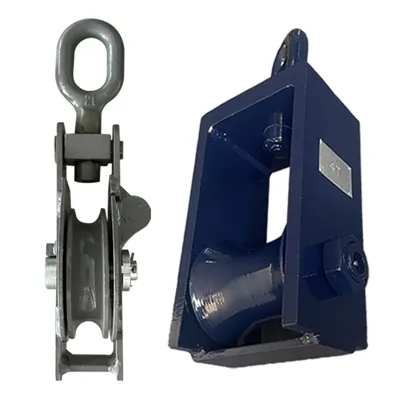
 Pulleys & Blocks
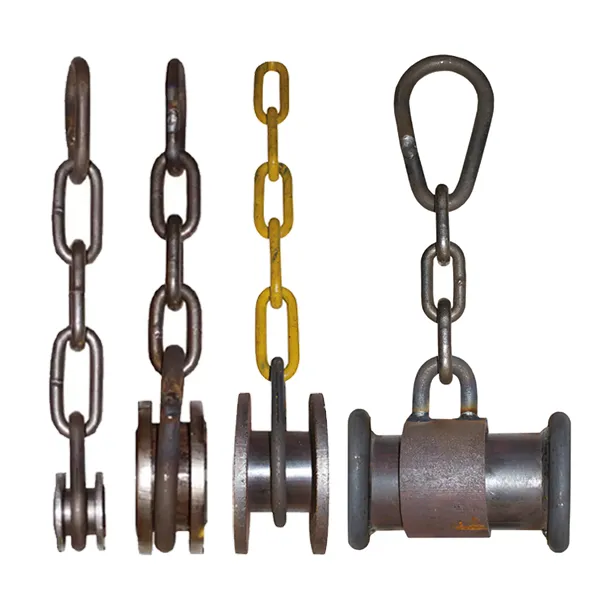
 Wire / Chain Toggles
 Foot Gear
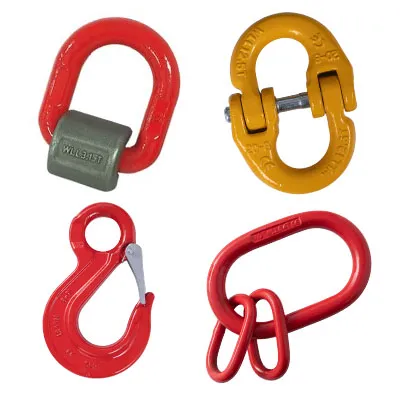 G100 Products
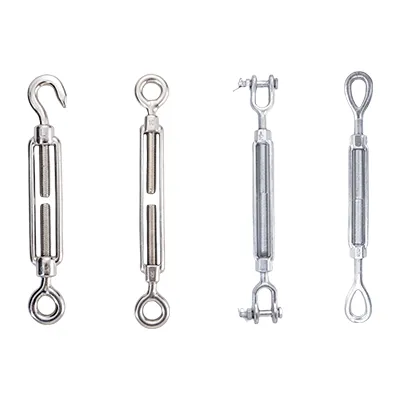
 Turnbuckles
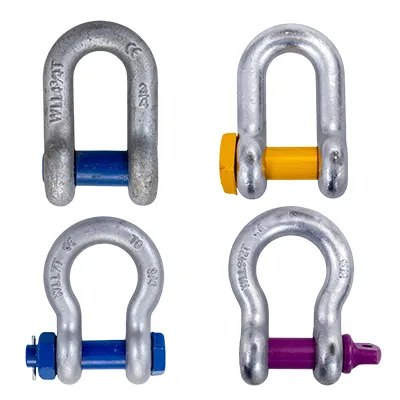
 Shackles
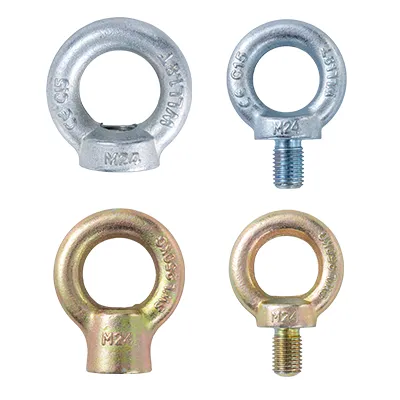
 Eye Bolts & Nuts
 Forged Hooks
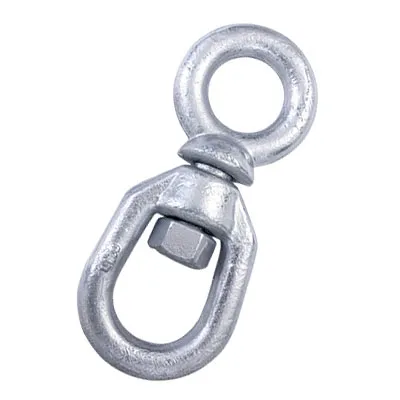
 Swivels
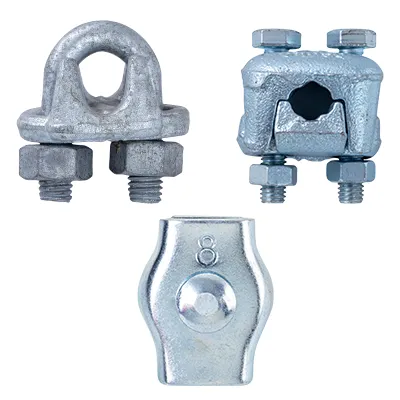
 Wire Rope Clips & Grips
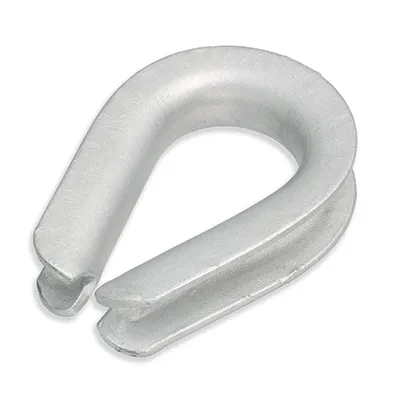
 Wire Rope Thimbles
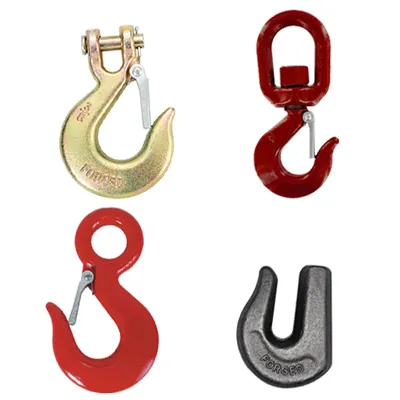
 Snap Hooks
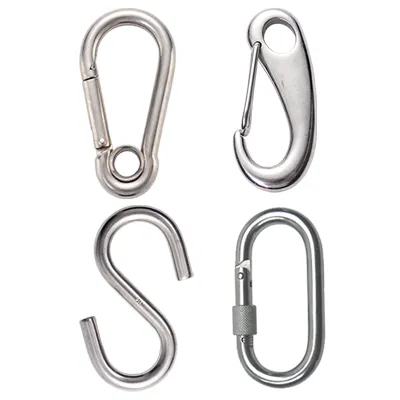 Rings & Connector
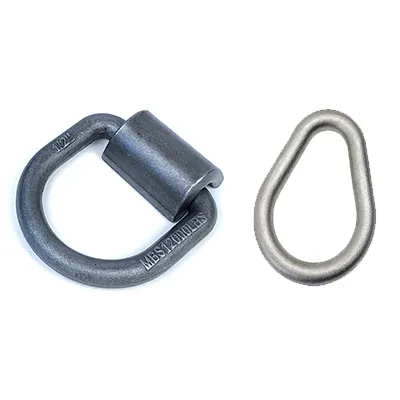 Lever Hoist
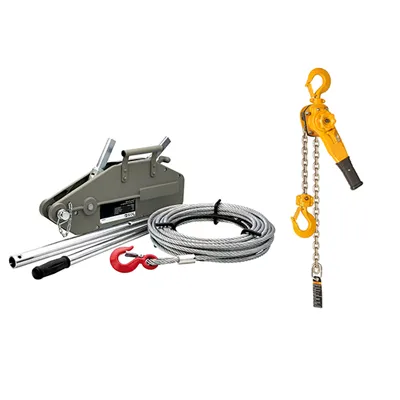 Chain Binders
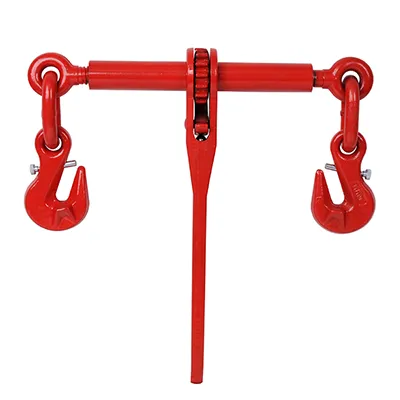 Wire Rope
 Lifting Sling
 Forestry Logging Supplies
 Pins
Pins Eye Plate
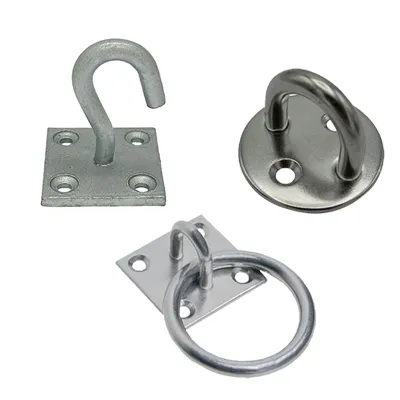 Wire Rope Ferrules
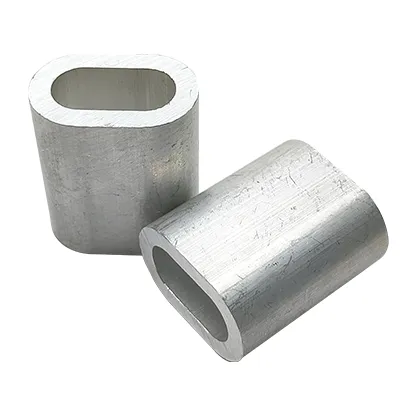 Chains & Acccessories
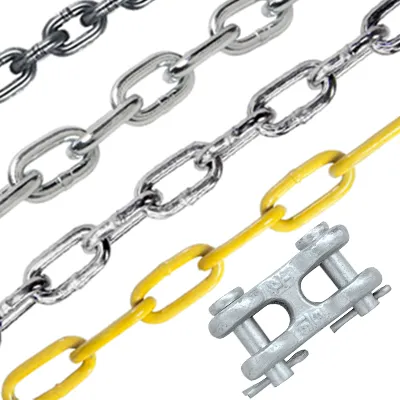 Quick Links
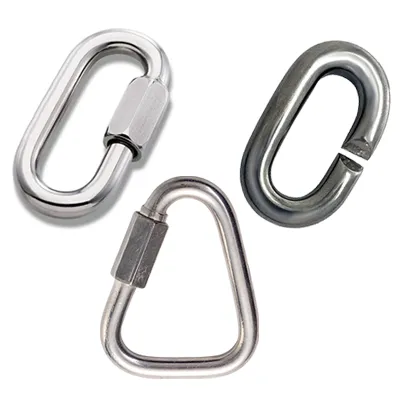 Pulley & Blocks
 Stainless Shackles
 Stainless Hooks
 Stainless Eye Bolts & Nuts
 Stainless Terminals
 Stainless Swivels
 Stainless Thimbles
 Stainless Rings
 Stainless Quick Link
 Stainless Chains
 Stainless Pulleys
 Drop Forged Stainless
 Stainless U Bolts
 Eye Plate, Eye Straps, Angles
 Stainless Steel Hinge
 Shade Sail Hardware