When selecting lifting and rigging equipment, understanding the types of shackles for lifting is essential for safe and efficient material handling. Shackles are critical connection components used between lifting slings, chains, wire ropes, and other rigging equipment in industries such as construction, marine, offshore, mining, and heavy manufacturing.
Different lifting applications require different shackle designs. The right choice depends on factors such as load direction, working load limit (WLL), connection method, and operating environment.
CLGR Industrial provides professional lifting and rigging solutions, including lifting shackles and other heavy-duty components designed for demanding industrial applications.
What Are the Types of Shackles for Lifting?
The types of shackles for lifting are mainly classified according to their shape, pin design, and intended application, with each type offering different advantages for load connection and safety.
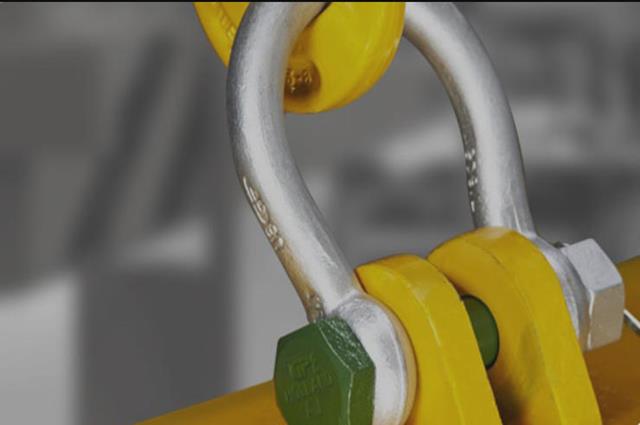
A lifting shackle is a U-shaped mechanical connector consisting of a body and a removable pin. It connects lifting accessories such as chains, slings, and wire ropes while allowing loads to be transferred safely during lifting operations.
The most common types of lifting shackles include:
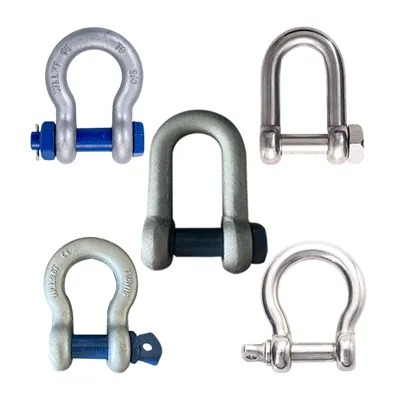
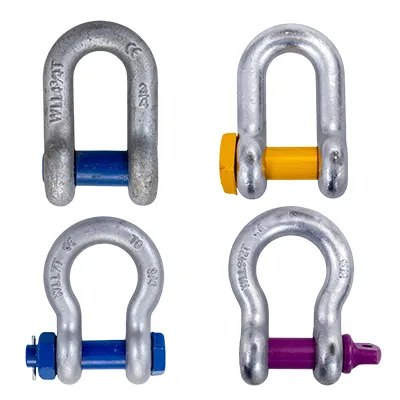
Bow shackles feature a larger rounded body that provides more internal space and allows loads to be applied from multiple directions. They are commonly used in complex rigging operations where sling angles may change.
D shackles have a narrower D-shaped design that concentrates loads along the main axis. They are suitable for straight-line lifting applications where controlled loading is required.
Screw pin shackles use a threaded removable pin and are often selected for temporary lifting operations where frequent connection and disconnection are needed.
Safety bolt shackles use a secured pin with a nut and cotter pin, making them suitable for applications where the shackle needs to remain installed for longer periods.
According to the Occupational Safety and Health Administration (OSHA), proper selection, inspection, and maintenance of lifting equipment are important parts of safe material handling practices.
Bow Shackles vs D Shackles: Which Lifting Shackle Should You Choose?
Bow shackles and D shackles are two of the most commonly used lifting shackles, and the correct choice depends on load direction, flexibility requirements, and rigging conditions.
Bow shackles are generally preferred for applications requiring flexibility because their wider body allows better load distribution and multi-directional loading. They are commonly used with wire ropes, synthetic slings, and offshore lifting systems.
D shackles are designed for more controlled loading conditions. Their narrower shape makes them suitable for connecting chains and lifting components where the force is primarily applied in one direction.
| Feature | Bow Shackle | D Shackle |
|---|
| Shape | Rounded body with larger internal space | Narrow D-shaped body |
| Load Direction | Supports multi-directional loading | Best for straight-line loading |
| Flexibility | Higher flexibility for complex rigging | More controlled connection |
| Common Applications | Slings, offshore lifting, heavy rigging | Chain lifting, general connections |
CLGR Industrial supplies different lifting shackles for various industrial applications, helping customers select suitable products according to load requirements and working conditions.
How to Choose the Right Lifting Shackles for Your Application?
Choosing the right lifting shackles requires evaluating working load limit, material strength, pin type, application environment, and compatibility with other rigging equipment.
The first consideration is the working load limit (WLL). A shackle should always be selected based on the maximum load it needs to safely support. Using a shackle with insufficient capacity may create serious safety risks.
Material selection is also important. High-strength alloy steel shackles are commonly used in heavy lifting applications because they provide excellent strength, durability, and resistance to deformation.
The pin design should match the application:
Screw pin shackles are suitable for temporary lifting tasks.
Safety bolt shackles are preferred for permanent or long-term installations.
Specialty shackles may be required for marine or offshore environments.
For complete lifting systems, shackles are often used together with chains, slings, and other lifting and rigging equipment to create a complete material handling solution.
In many industrial projects, lifting shackles are also integrated into broader engineered systems such as lifting beam systems to improve load stability and safety during complex lifting operations.
Lifting Shackle Applications and Safety Considerations
Lifting shackles are widely used in industries where heavy loads need to be connected, suspended, or transported safely.
Common applications include construction projects, marine operations, offshore platforms, mining sites, oil and gas facilities, and industrial manufacturing.
Before each use, lifting shackles should be inspected for:
Regular inspection and correct operation help extend equipment service life and improve lifting safety.
In offshore and marine environments, shackles are often exposed to harsh conditions, making corrosion resistance and certified quality especially important. Industry standards such as those referenced by the Lifting Equipment Engineers Association (LEEA) provide important guidance for safe lifting practices and equipment selection.
CLGR Industrial provides reliable lifting components designed for demanding working environments, supporting customers with professional rigging solutions and customized product options.
Conclusion
Understanding the different types of shackles for lifting helps companies select the right connection equipment for safe and efficient lifting operations.
Bow shackles are suitable for applications requiring flexibility and multi-directional loading, while D shackles are ideal for controlled straight-line lifting. Screw pin and safety bolt designs provide different solutions depending on whether the connection is temporary or permanent.
For construction, marine, offshore, and industrial applications, selecting high-quality lifting shackles with the correct load capacity and design is essential for operational safety.
CLGR Industrial provides professional lifting and rigging solutions, including durable shackles and customized industrial components for global customers.
FAQ
What are the main types of shackles for lifting?
The main types include bow shackles, D shackles, screw pin shackles, and safety bolt shackles. Each type is designed for different lifting conditions and connection requirements.
What is the difference between a bow shackle and a D shackle?
A bow shackle has a wider rounded body that supports multi-directional loading, while a D shackle is designed mainly for straight-line lifting applications.
How do I choose the correct lifting shackle size?
The correct size depends on the working load limit, load weight, lifting method, sling or chain size, and operating environment.
Are screw pin shackles suitable for heavy lifting?
Yes. Screw pin shackles are commonly used for temporary lifting operations when frequent installation and removal are required.
What industries use lifting shackles?
Lifting shackles are widely used in construction, marine, offshore, mining, oil and gas, and heavy manufacturing industries.
Does CLGR Industrial supply lifting shackles?
Yes. CLGR Industrial supplies lifting shackles and complete lifting and rigging solutions for industrial and heavy-duty applications.


 EN
EN



 Hooks
Hooks Shackles
 Rope Thimbles
 Links & Rings
 Kelly's Eye
 Stoppers
 G Hooks & Recessed Links
 Connectors
 Tools
Tools Rockhopper Spare Parts
 Triangles
 Butterflies
 Chains
 Twine and Ropes
 Wire Ropes
 Anchor Equipment
 Wire Rope Clips
 Ferrules
 Terminals
 Turnbuckles
 Fenders & Buoys
 Floats
 Lashing & Slings & Load Binders
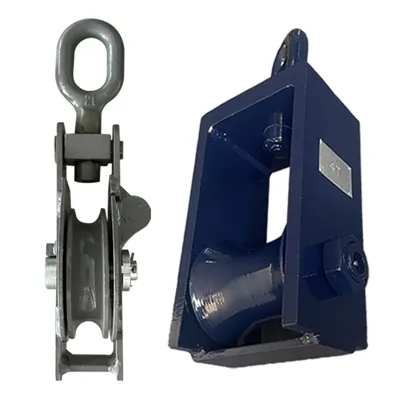
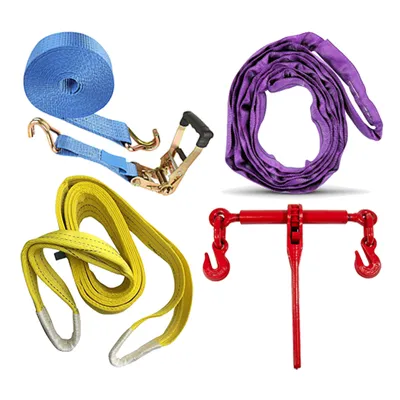 Pulleys & Blocks
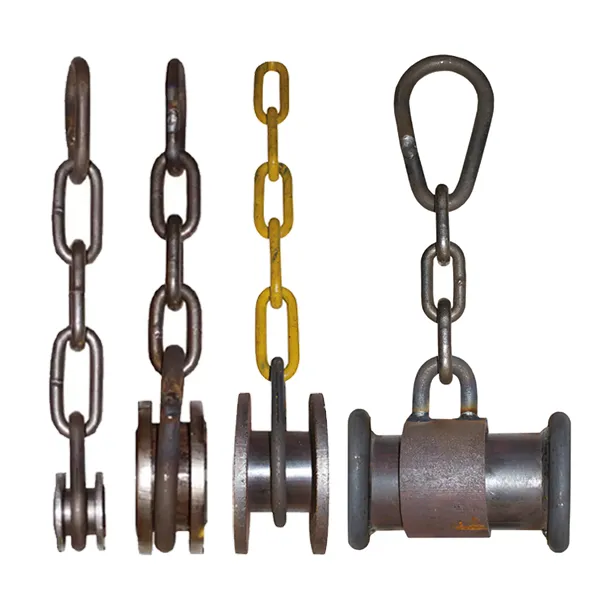
 Wire / Chain Toggles
 Foot Gear
 Trawl Doors
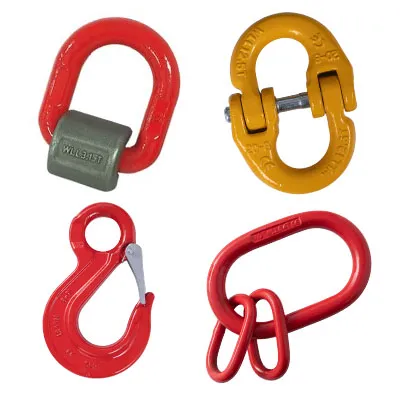 G100 Products
 Turnbuckles
 Shackles
 Eye Bolts & Nuts
 Forged Hooks
 Swivels
 Wire Rope Clips & Grips
 Wire Rope Thimbles
 Snap Hooks
 Rings & Connector
 Lever Hoist
 Chain Binders
 Wire Rope
 Lifting Sling
 Forestry Logging Supplies
 Pins
Pins Eye Plate
 Wire Rope Ferrules
 Chains & Acccessories
 Quick Links
 Pulley & Blocks
 Stainless Shackles
 Stainless Hooks
 Stainless Eye Bolts & Nuts
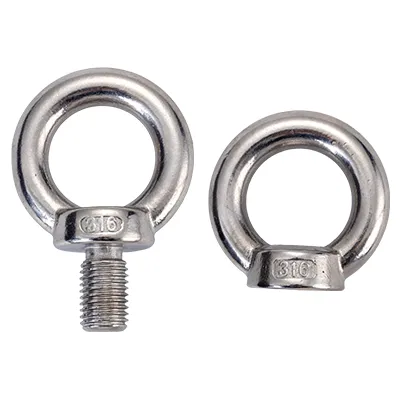 Stainless Terminals
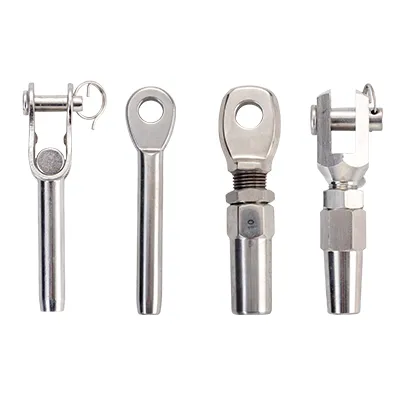 Stainless Swivels
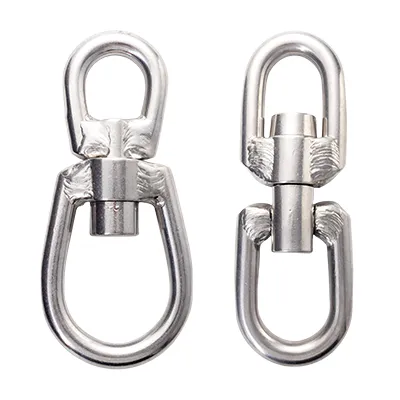 Stainless Thimbles
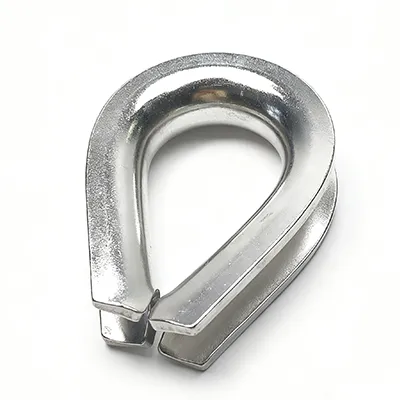 Stainless Rings
 Stainless Quick Link
 Stainless Chains
 Stainless Pulleys
 Drop Forged Stainless
 Stainless U Bolts
 Eye Plate, Eye Straps, Angles
 Stainless Steel Hinge
 Shade Sail Hardware