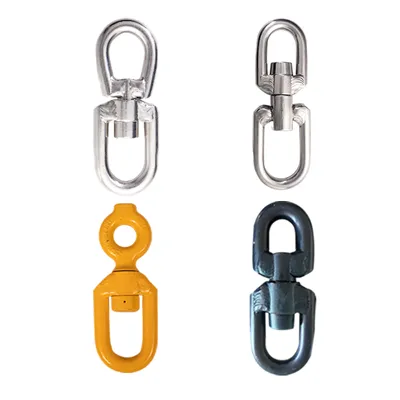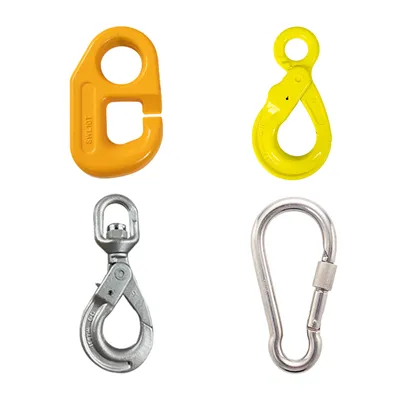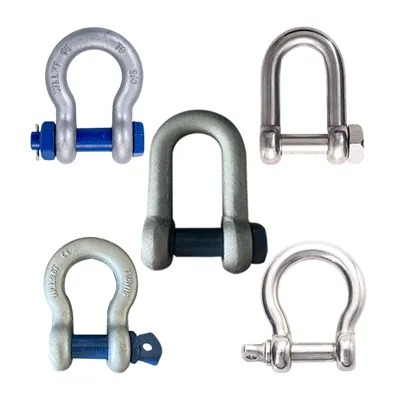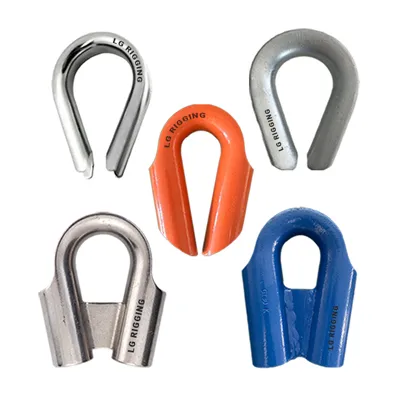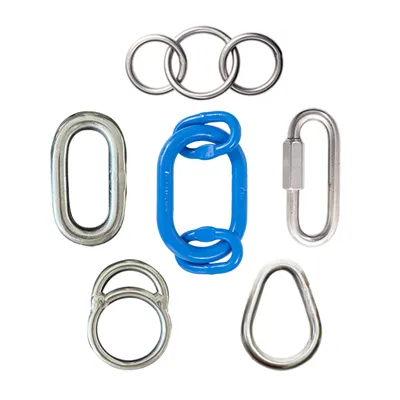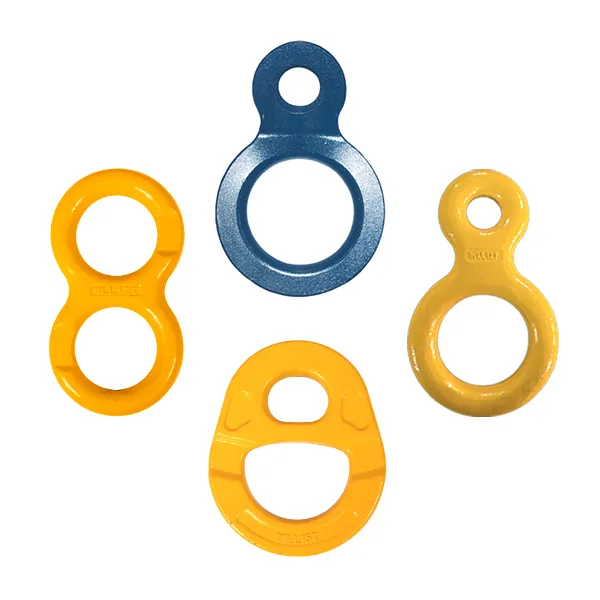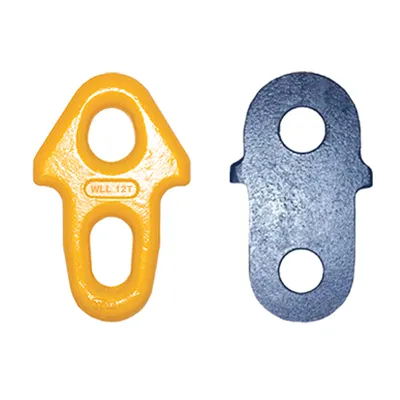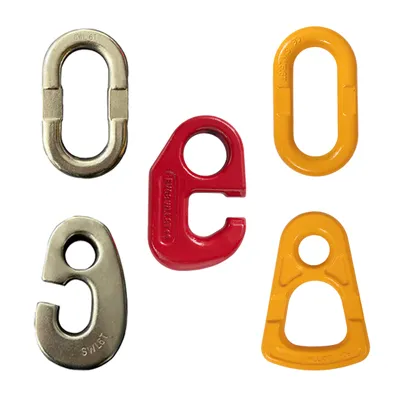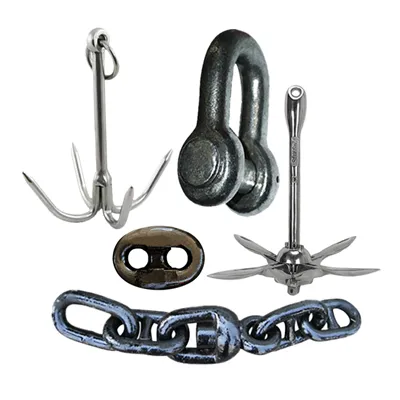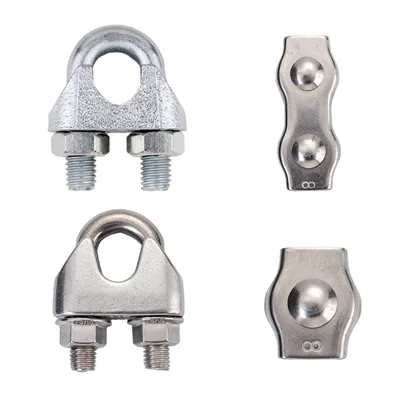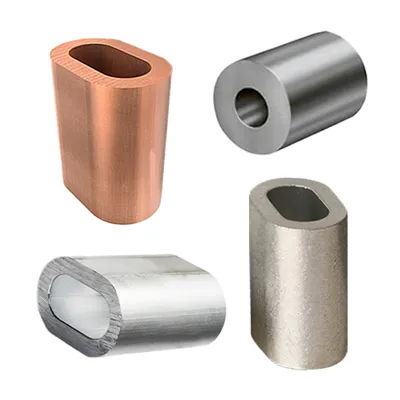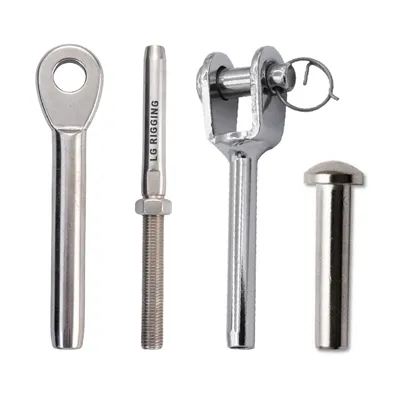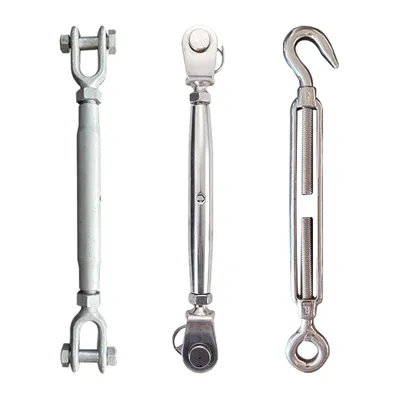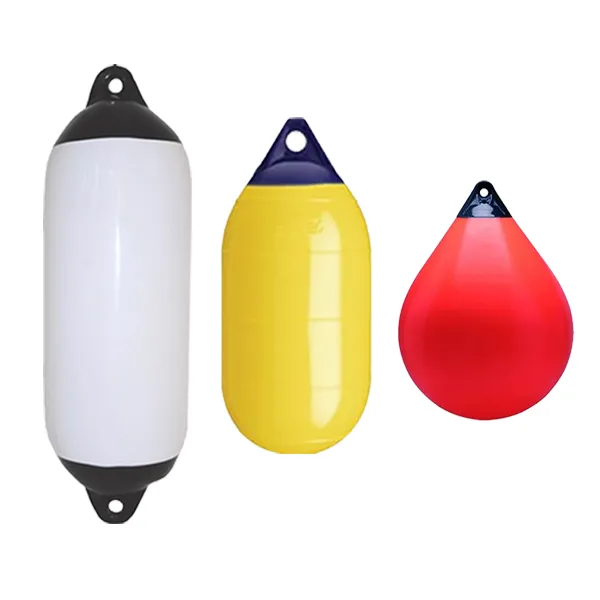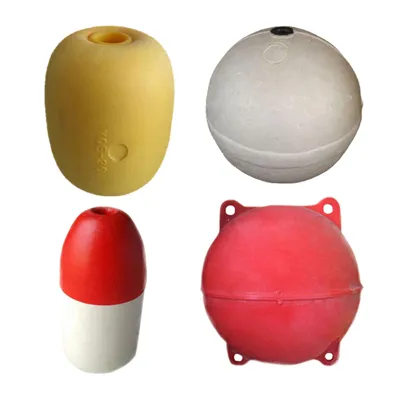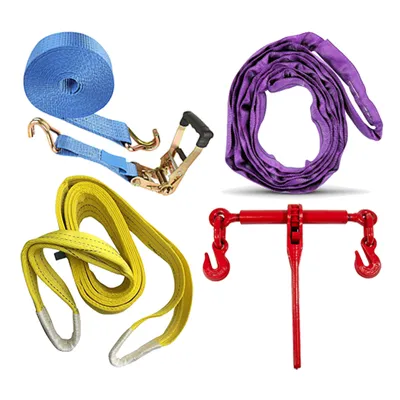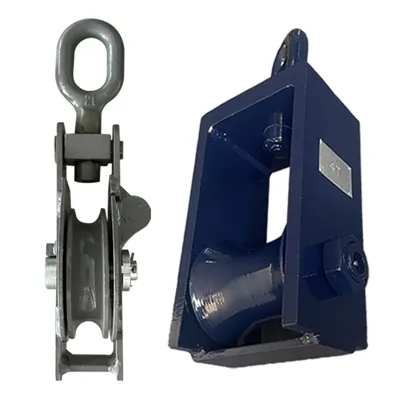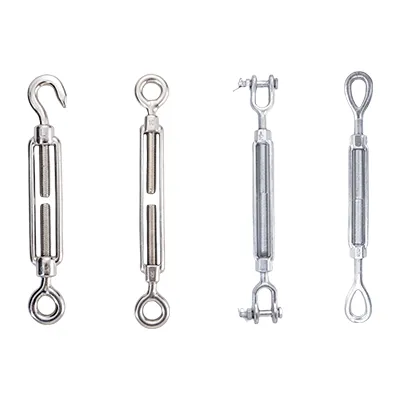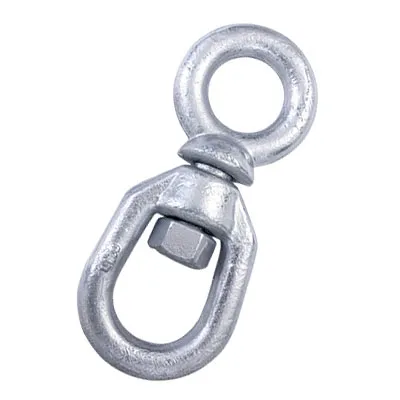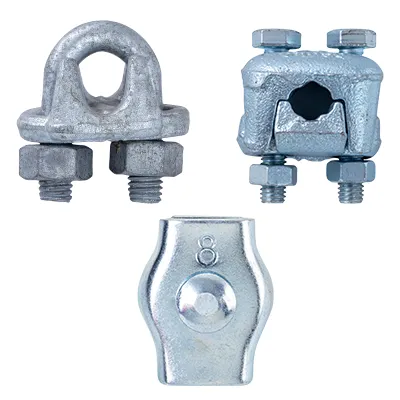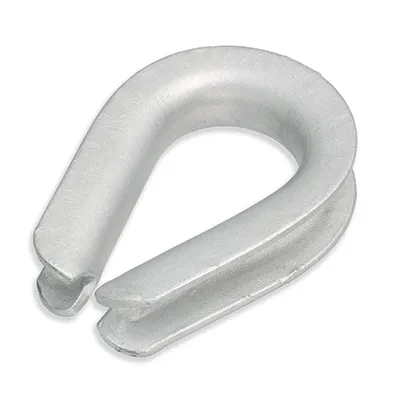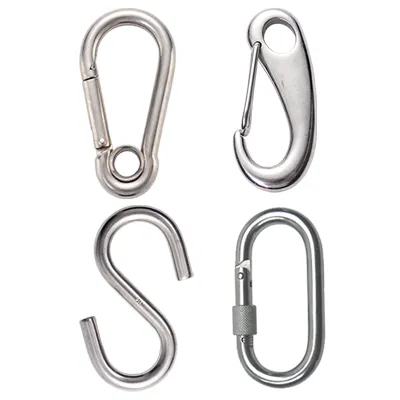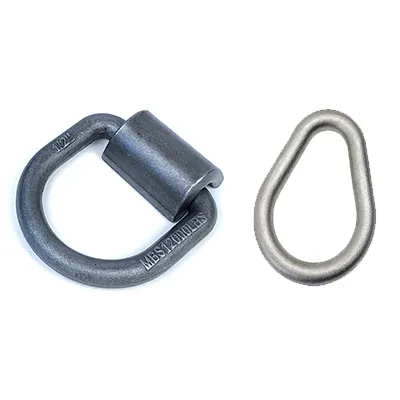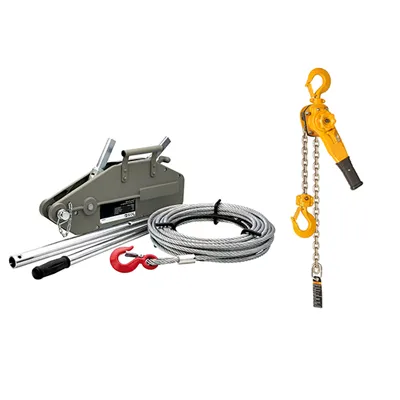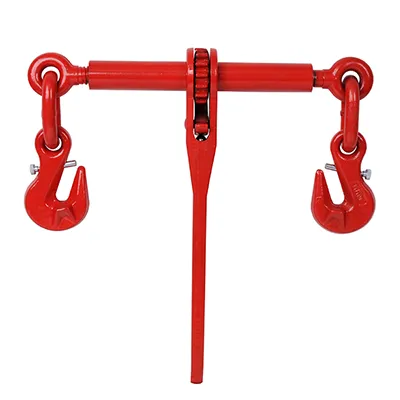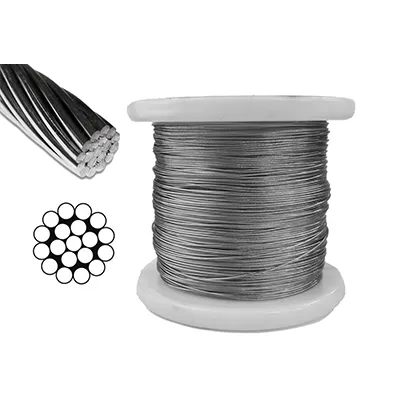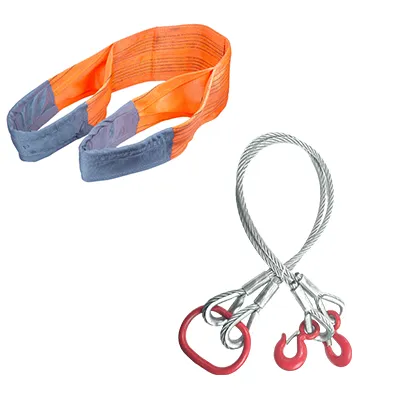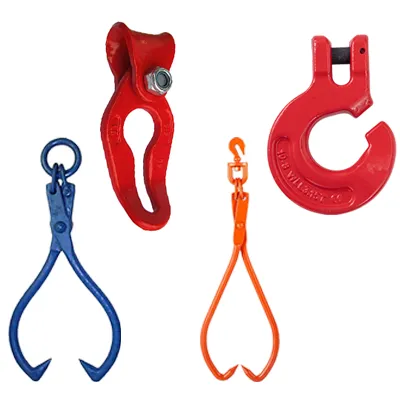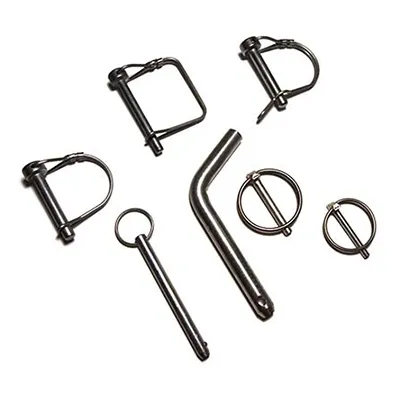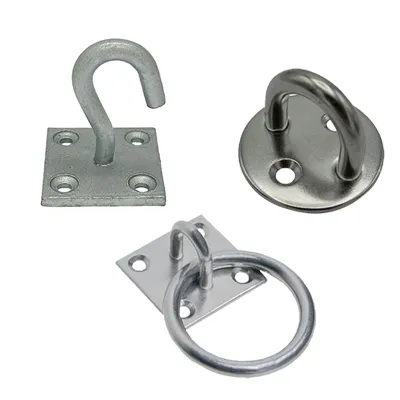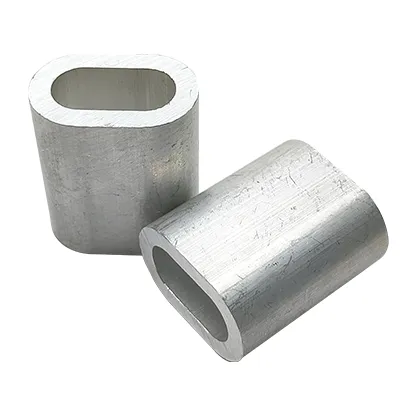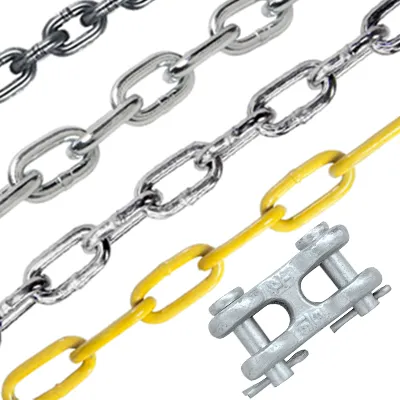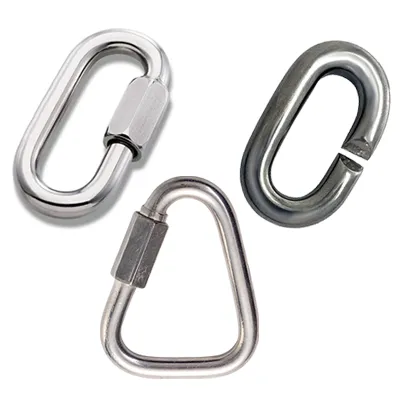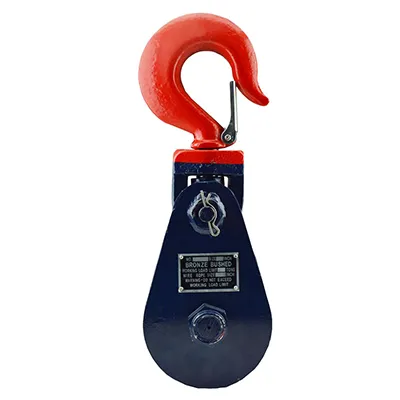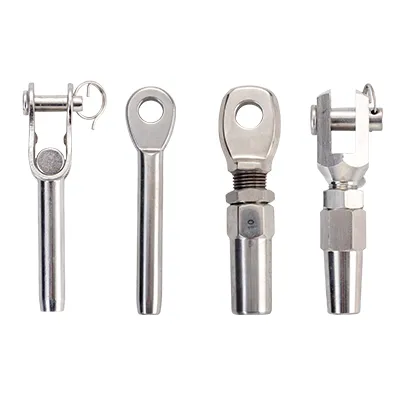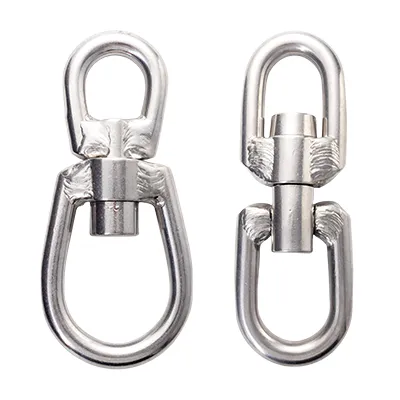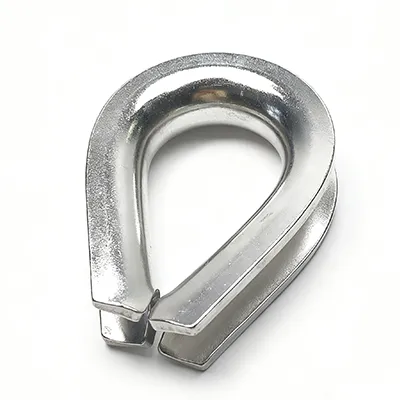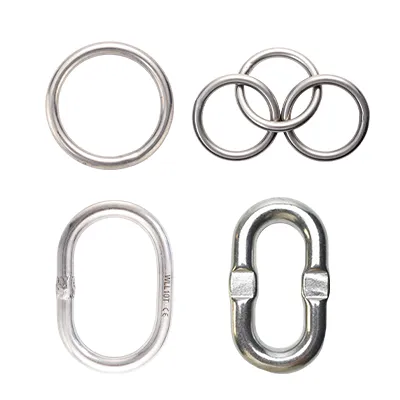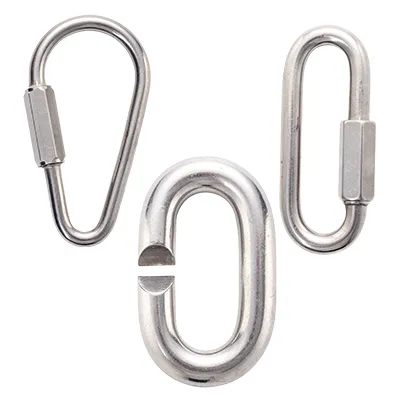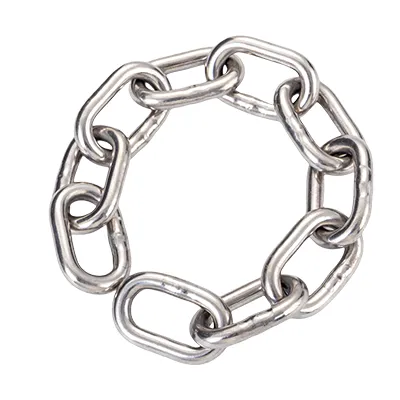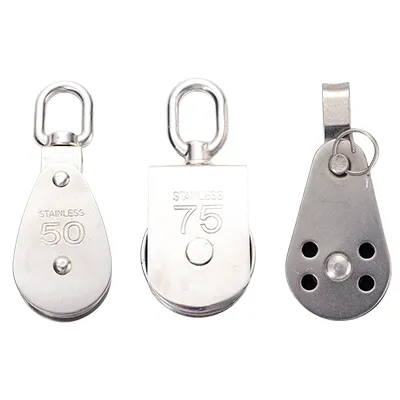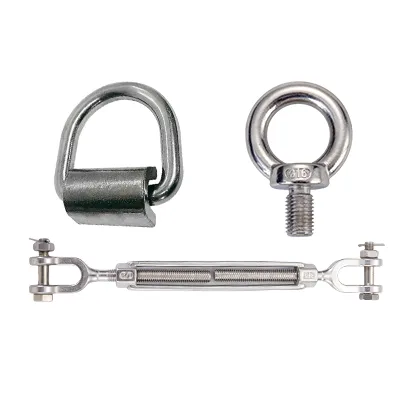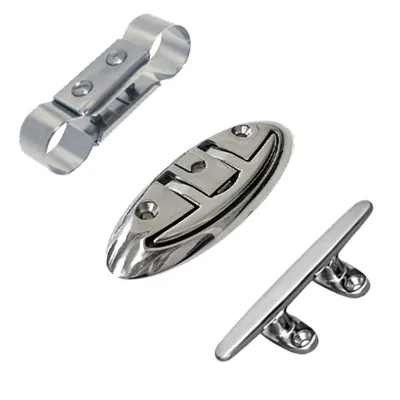
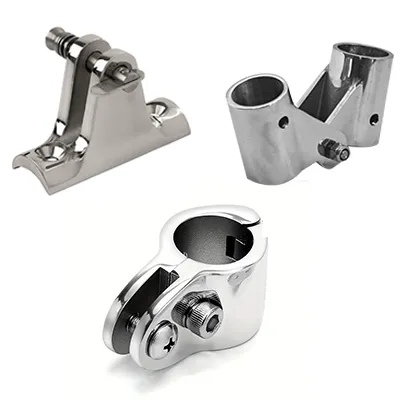
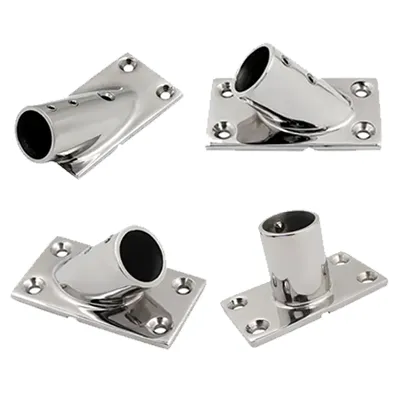
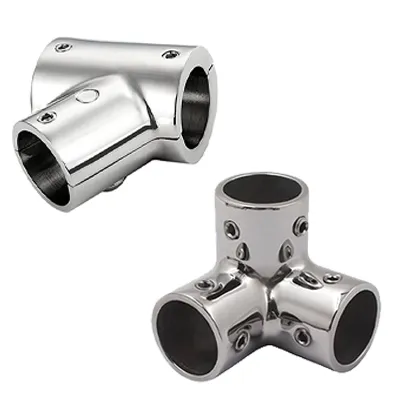
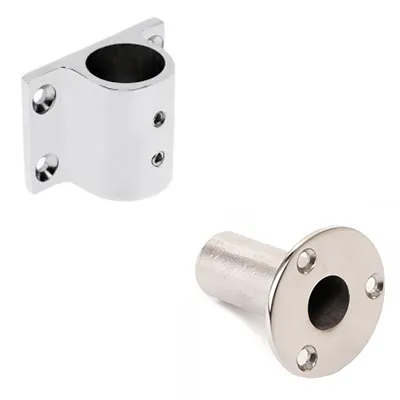
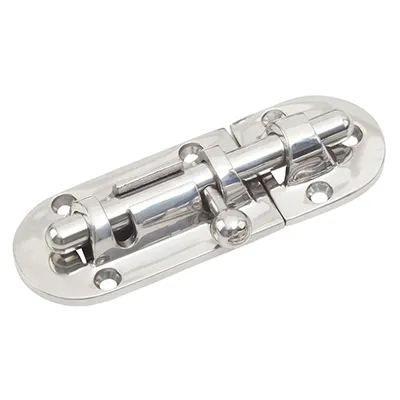
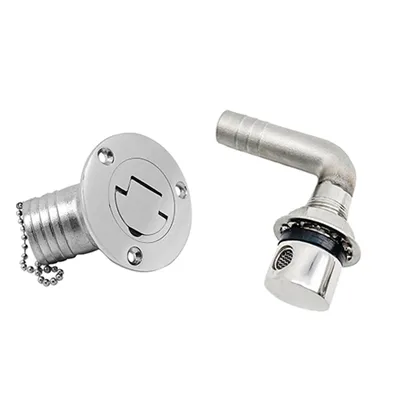
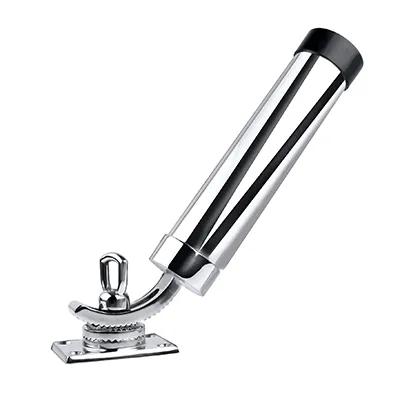
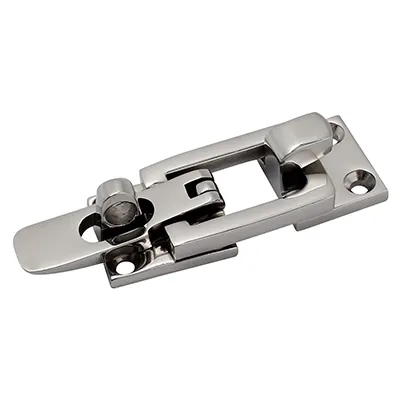
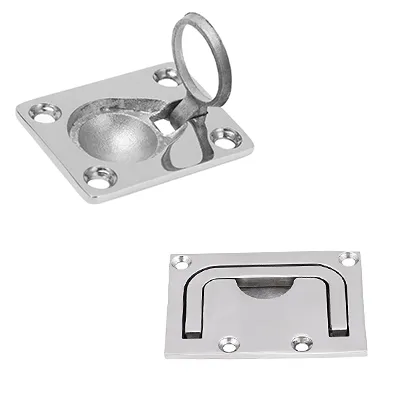
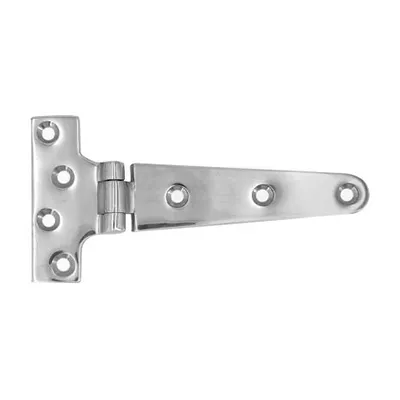
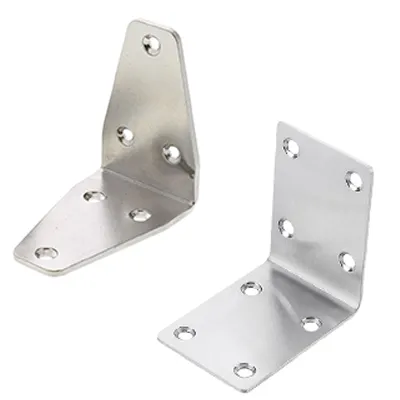



Industrial lifting operations require absolute reliability. Whether in marine environments, construction sites, ports, or heavy manufacturing, lifting rigging industrial supplies are responsible for securing, lifting, and moving critical loads safely. Any failure in rigging components can lead to operational delays, equipment damage, or serious safety risks.
Modern systems rely heavily on engineered components such as chains, hooks, shackles, master links, and slings designed to meet strict load and safety requirements. In integrated supply chains, anchor marine supplies, marine deck hatch hardware, and lifting rigging industrial supplies often work together to support complex marine and industrial operations.
Lifting rigging refers to the system of components used to connect lifting machinery (such as cranes or hoists) to loads.
These systems are designed around two key principles:
Load-bearing capacity
Operational safety under dynamic force
Common rigging standards classify equipment into grades such as G80 and G100, which define strength levels and performance expectations under load conditions.
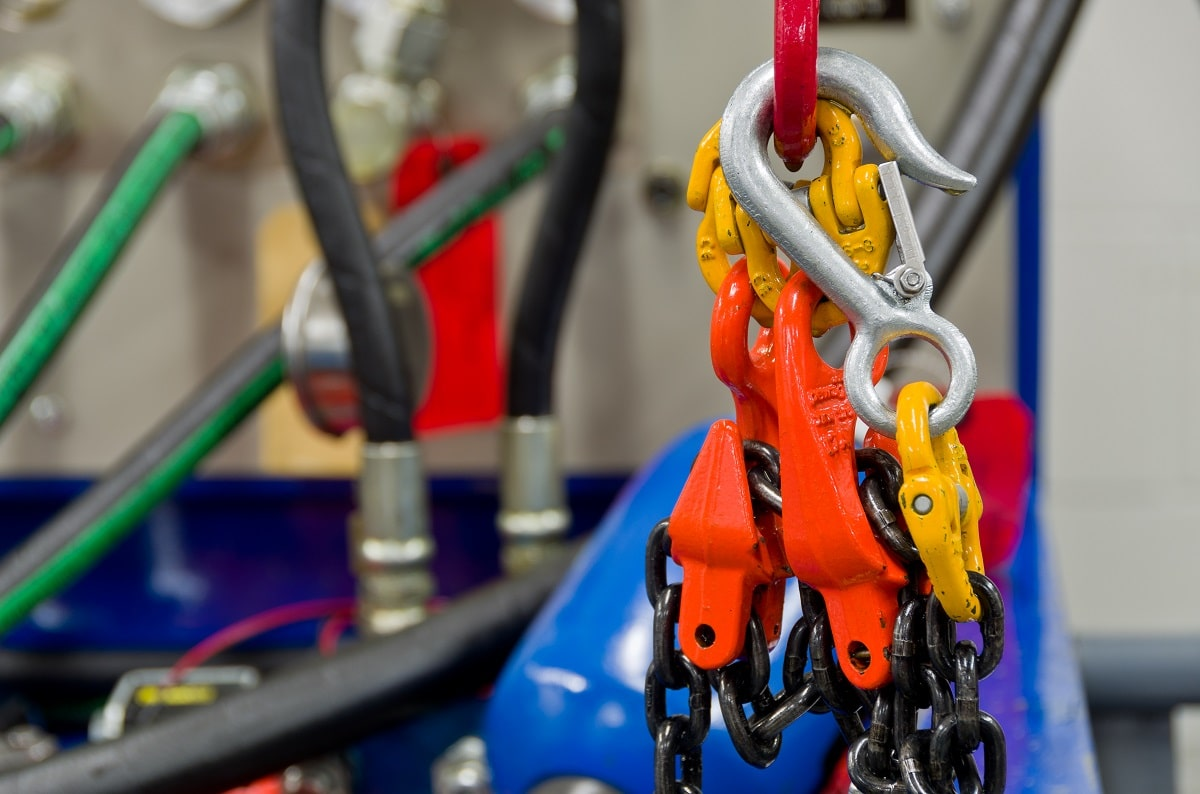
Typical rigging systems include:
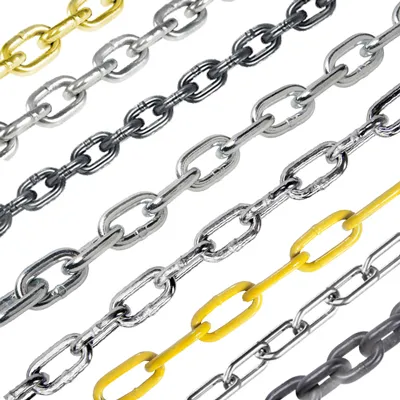
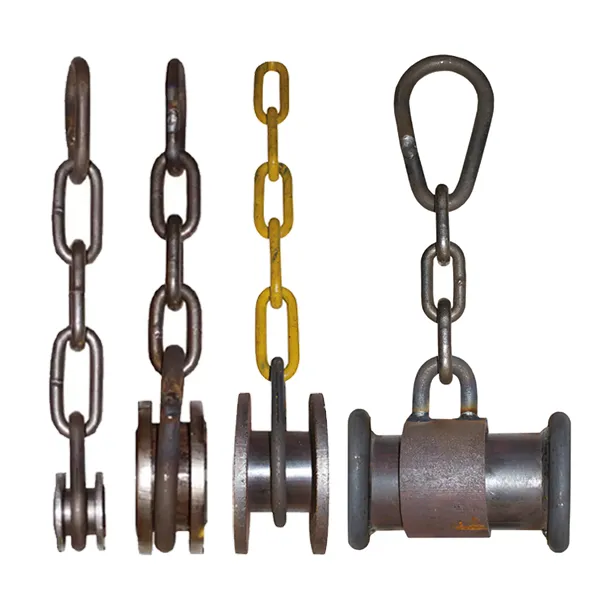
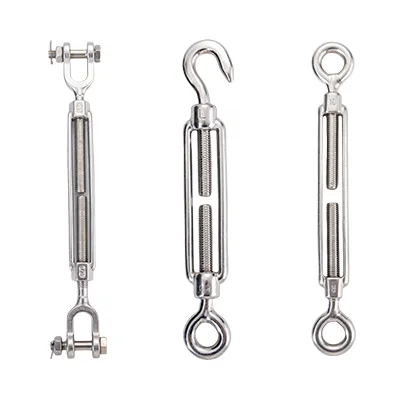
Chains for load transmission
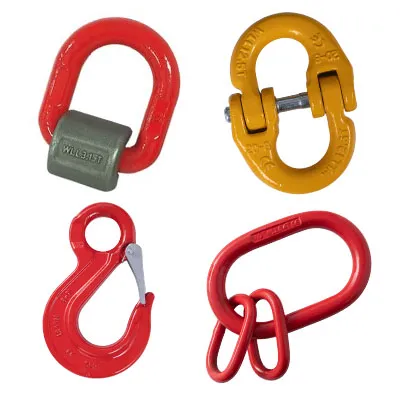
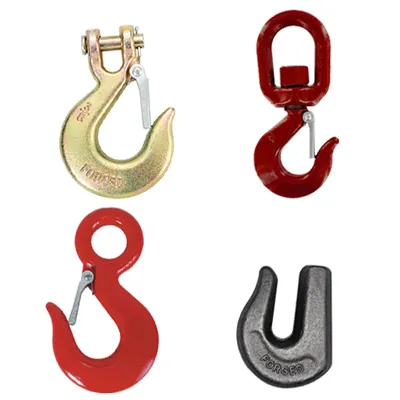
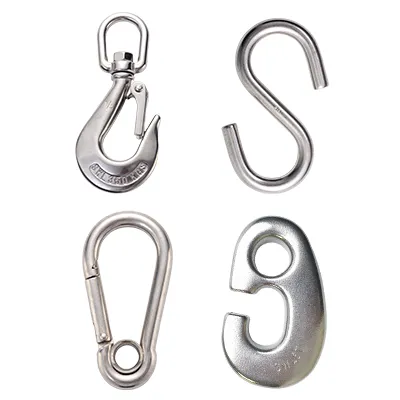
Hooks for secure attachment
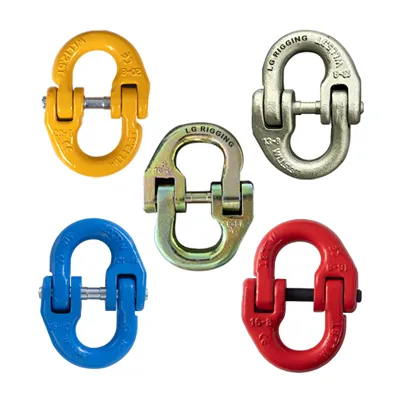
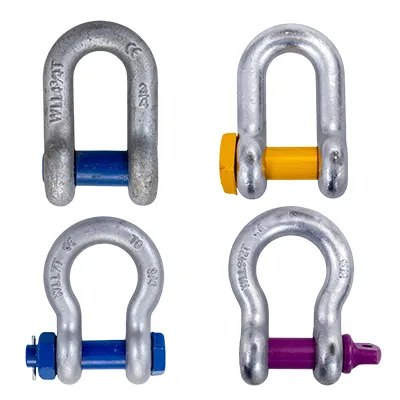
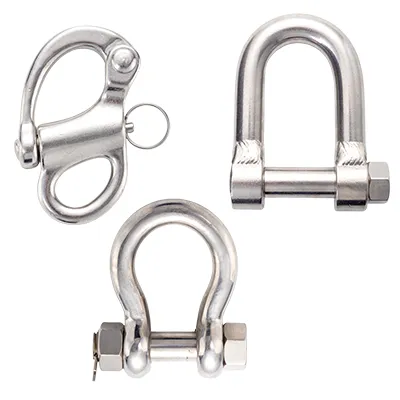
Shackles for connection points
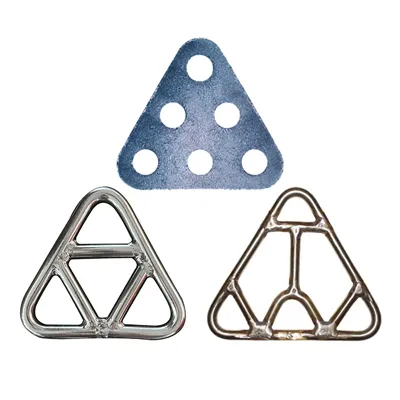
Master links for load distribution
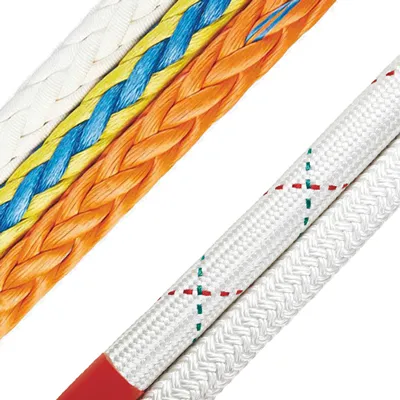
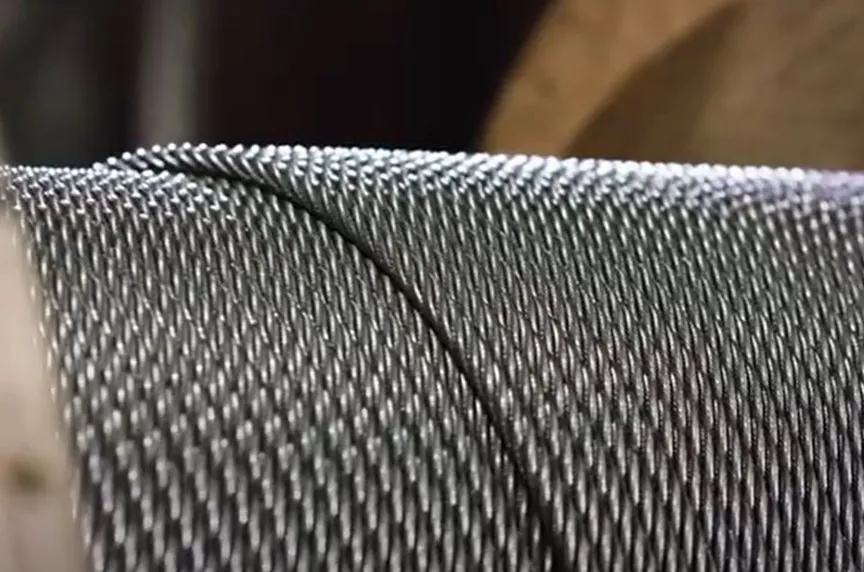
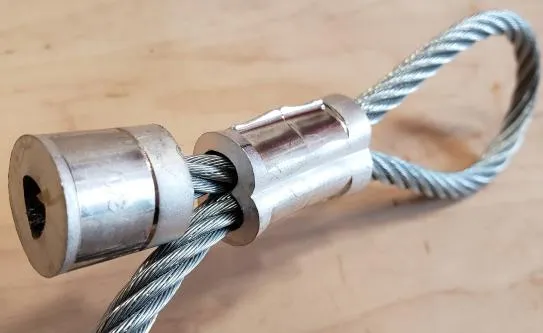
Slings for flexible lifting operations
These components must be engineered to handle both static weight and dynamic movement during lifting operations.
G80 and G100 are the most widely used grades in industrial lifting systems. They represent high-strength alloy steel components designed for overhead lifting applications.
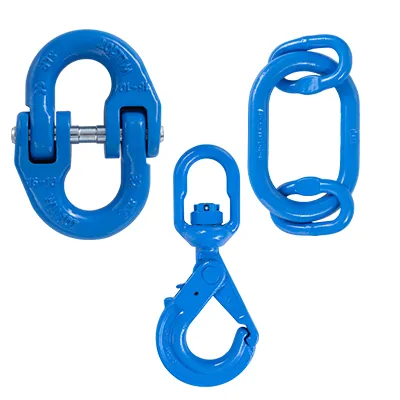
Hooks (safety latch, swivel, and clevis types)
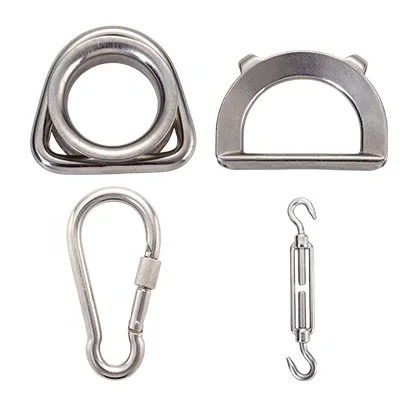
Shackles (bow and D-type connectors)
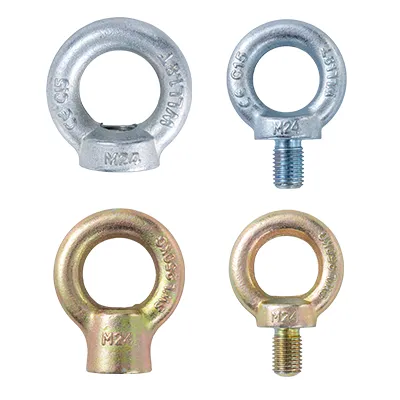
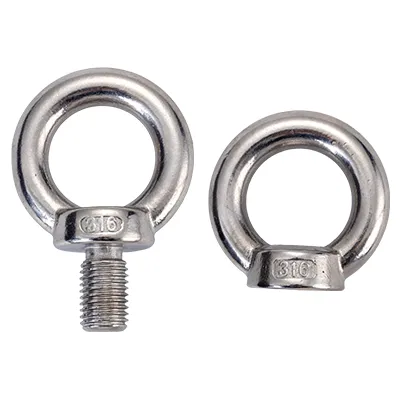
Master links and connecting rings
Chain slings for multi-leg lifting systems
Shortening clutches for adjustable lifting lengths
G100 components generally offer higher strength capacity than G80, making them suitable for heavier and more demanding applications.

Each rigging component plays a specific role in ensuring lifting safety and efficiency.
Shackles connect different rigging elements and allow load transfer between systems
Hooks secure the load and often include safety latches to prevent accidental release
Master links distribute force evenly across multiple sling legs
Chain slings provide flexibility for lifting irregular or heavy loads
Many modern hooks are designed with swivel functions, allowing rotation under load and reducing twisting stress during lifting operations. In marine and offshore environments, corrosion-resistant coatings are commonly applied to extend service life.
Selecting the right rigging system depends on multiple engineering and operational factors.
Key considerations include:
Working Load Limit (WLL) requirements
Environmental conditions (marine, offshore, or dry industrial use)
Material type (alloy steel vs stainless steel)
Frequency of lifting cycles
Compatibility with cranes and hoisting systems
Safety factor design is also critical. Rigging systems are typically designed with built-in safety margins to ensure that actual working loads remain well below failure thresholds.Proper selection ensures long-term operational safety and reduces equipment fatigue over time.
Lifting rigging systems are widely used across multiple industries:
Shipbuilding and marine engineering
Offshore oil and gas operations
Port cargo handling and logistics
Construction and infrastructure projects
Mining and heavy equipment installation
In marine environments, rigging systems are often exposed to saltwater corrosion, requiring specialized coatings or stainless steel materials. In industrial environments, high-load and repetitive lifting cycles demand stronger alloy-based systems.
Integrated supply ecosystems often combine anchor marine supplies, marine deck hatch hardware, and lifting rigging industrial supplies to support complete operational workflows.
CLGR Industrial provides engineered rigging solutions designed for demanding marine and industrial environments. The product range includes high-strength components such as chains, hooks, shackles, and lifting accessories designed for global applications.
With expertise spanning anchor marine supplies, marine deck hatch hardware, and lifting rigging industrial supplies, CLGR supports customers across marine engineering, construction, and heavy industry sectors.
Key advantages include:
High-strength alloy steel construction
Corrosion-resistant finishes for marine environments
Strict quality control and load testing procedures
Compatibility with global lifting systems
These capabilities make CLGR a reliable supplier for operations where safety and durability are essential.
For a broader understanding of how marine and industrial systems are connected across anchoring, deck equipment, and lifting operations, readers can refer to the main guide: The Ultimate Guide to Marine Anchor Supplies, Deck Hardware and Lifting Rigging in 2026.
G100 rigging has a higher strength rating than G80, allowing it to handle heavier loads with improved safety margins and efficiency.
They are widely used in construction, shipping, offshore engineering, logistics, and heavy manufacturing industries.
Regular inspections are recommended before each use, with detailed safety checks performed at scheduled intervals depending on usage intensity.
Common causes include overload, improper installation, corrosion, and lack of regular maintenance.
Yes, but they must be corrosion-resistant and specifically designed for saltwater exposure to ensure long-term performance.