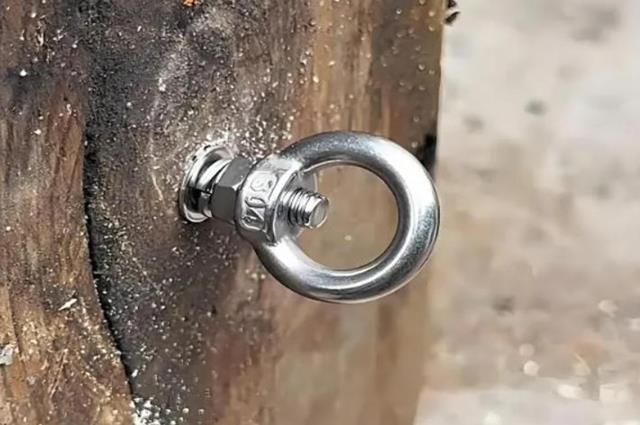
When selecting lifting hardware for industrial applications, understanding eye bolt load capacity is essential for safe and efficient load handling. Eye bolts are widely used as connection points in construction, manufacturing, marine, heavy equipment installation, and rigging operations.
However, the capacity of an eye bolt is not determined only by its diameter or physical size. Factors such as material grade, thread specifications, loading direction, installation method, and working load limit (WLL) all affect the safe lifting performance.
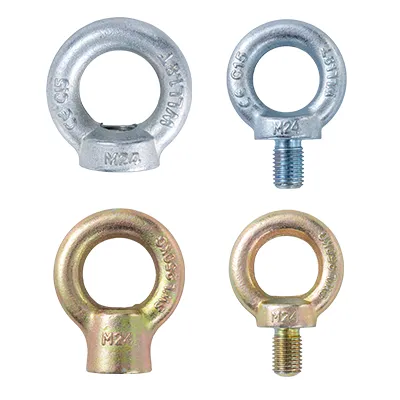
Choosing the correct lifting eyebolts helps ensure reliable connections between lifting equipment, slings, chains, and other rigging components. CLGR Industrial provides professional lifting solutions, including lifting eyebolts and other industrial rigging hardware for demanding applications.
What Is Eye Bolt Load Capacity?
Eye bolt load capacity refers to the maximum weight an eye bolt can safely support under specific operating conditions, including load direction, installation method, and safety requirements.
The rated capacity of an eye bolt is generally expressed as its working load limit (WLL) or safe working load (SWL). WLL represents the maximum recommended load during normal operation, while breaking strength refers to the point where the component fails.
The actual eye bolt capacity depends on several factors:
For lifting applications, selecting products based on manufacturer-rated capacity is critical. According to the Occupational Safety and Health Administration (OSHA), lifting equipment and rigging components should be properly selected, inspected, and operated according to rated specifications.
Eye Bolt Working Load Limit and Key Factors Affecting Capacity
The working load limit of an eye bolt defines the maximum safe load it can handle and is influenced by product specifications, design structure, and application conditions.
Unlike simple fastening applications, lifting eyebolts must withstand dynamic forces during lifting operations. A properly selected eye bolt should match the expected load and working environment.
Important eye bolt specifications to evaluate include:
| Specification Factor | Impact on Load Capacity |
|---|
| Material Grade | Determines strength, durability, and corrosion resistance |
| Diameter and Thread Size | Affects load-bearing capability |
| Eye Bolt Design | Influences load direction and application suitability |
| Working Load Limit | Defines maximum safe operating load |
Common types of lifting eyebolts include carbon steel, stainless steel, and forged designs.
Carbon Steel Eye Bolts
Carbon steel eye bolts are commonly used in industrial applications because they provide good strength and durability.
Stainless Steel Eye Bolts
Stainless steel eye bolts provide improved corrosion resistance and are often selected for marine, outdoor, and chemical environments.
Forged Eye Bolts
Forged designs provide enhanced strength and are commonly used for lifting applications where reliability is critical. For lifting applications, standards such as ISO specifications for forged steel eyebolts help define requirements related to design, dimensions, and safe use.
For complete lifting systems, CLGR Industrial also supplies lifting rigging equipment designed for use with shackles, chains, slings, and other load-handling components.
How Do Lifting Angles Affect Eye Bolt Capacity?
The lifting angle directly affects eye bolt load capacity because angled forces can reduce the allowable working load compared with vertical loading.
Eye bolts generally provide the highest rated capacity when the load is applied vertically in line with the bolt axis. When the load direction changes, additional stress is introduced to the eye and threaded connection.
Typical loading conditions include:
| Loading Condition | Capacity Consideration |
|---|
| Vertical loading | Highest rated capacity |
| Angular loading | Reduced allowable capacity |
| Side loading | Generally not recommended unless specifically designed |
For applications requiring flexible load positioning, selecting the correct lifting hardware is important. Engineering guidelines from organizations such as the American Society of Mechanical Engineers (ASME) provide widely recognized practices related to mechanical equipment and lifting safety.
Eye Bolt Materials and Specifications for Different Applications
The right eye bolt material and specification should be selected according to load requirements, environmental conditions, and operational frequency.
Different industries require different eye bolt solutions:
Construction and industrial lifting: Forged steel eye bolts are commonly preferred due to their strength and reliability.
Marine and outdoor applications: Stainless steel eye bolts are often selected because of their corrosion resistance.
Equipment installation: Standard eye bolts may be suitable when loads are controlled and clearly defined.
When selecting lifting eyebolts, users should consider:
CLGR Industrial supports customers with industrial lifting hardware solutions designed for construction, manufacturing, marine, and heavy-duty applications.
How to Choose the Right Lifting Eyebolts?
Choosing the correct lifting eyebolts requires matching the product design, load capacity, and operating environment with the actual lifting requirements.
Before selecting an eye bolt, consider:
Is the product rated for lifting applications?
What is the required working load limit?
Will the load be vertical or angled?
Are corrosion resistance requirements needed?
What lifting accessories will be connected?
A complete lifting system should always consider compatibility between eye bolts, shackles, chains, slings, and other rigging components.
By selecting suitable lifting eyebolts and following proper inspection procedures, companies can improve lifting safety and reduce equipment failure risks.
Conclusion
Understanding eye bolt load capacity is essential for selecting safe and reliable lifting hardware. The actual capacity of an eye bolt depends on material strength, design type, working load limit, installation method, and loading conditions.
For industrial lifting operations, choosing the correct lifting eyebolts requires more than selecting a product based only on size. Proper evaluation of specifications, application requirements, and safety standards helps ensure reliable performance.
CLGR Industrial provides high-quality lifting eyebolts, rigging equipment, and customized industrial solutions for customers requiring dependable lifting components.
FAQ
What is the load capacity of an eye bolt?
Eye bolt load capacity depends on diameter, material, design, installation method, and loading conditions. Always follow the manufacturer’s rated working load limit.
How is eye bolt working load limit determined?
The working load limit is determined through factors including material strength, product design, safety factors, and intended lifting conditions.
Can all eye bolts be used for lifting?
No. Only eye bolts specifically designed and rated for lifting should be used in lifting applications.
Does lifting angle affect eye bolt capacity?
Yes. Vertical loading usually provides the highest capacity, while angular or side loading can reduce the allowable load.
What materials are commonly used for lifting eyebolts?
Common materials include carbon steel, stainless steel, and forged steel, depending on strength and environmental requirements.
Does CLGR Industrial supply lifting eyebolts?
Yes. CLGR Industrial supplies lifting eyebolts, lifting rigging equipment, and industrial hardware solutions for construction, marine, manufacturing, and heavy-duty applications.


 EN
EN


 Hooks
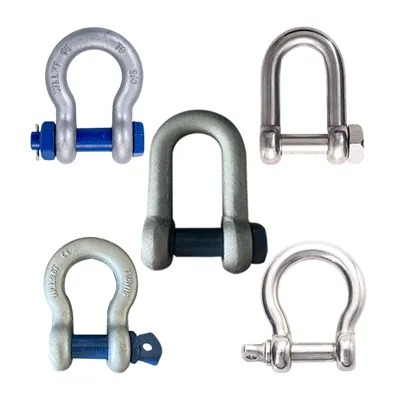
Hooks Shackles
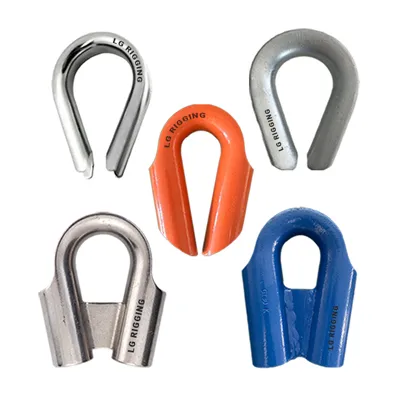
 Rope Thimbles
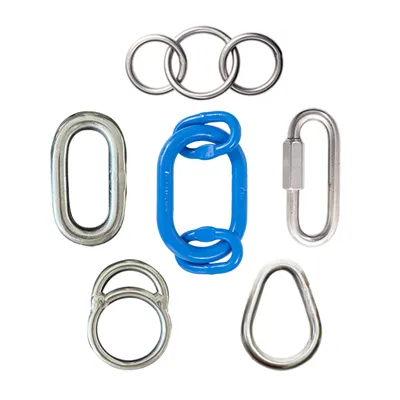
 Links & Rings
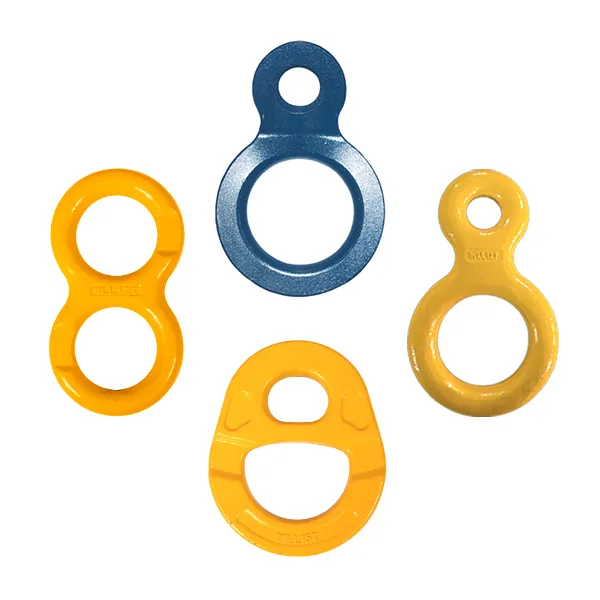
 Kelly's Eye
 Stoppers
 G Hooks & Recessed Links
 Connectors
 Tools
Tools Rockhopper Spare Parts
 Triangles
 Butterflies
 Chains
 Twine and Ropes
 Wire Ropes
 Anchor Equipment
 Wire Rope Clips
 Ferrules
 Terminals
 Turnbuckles
 Fenders & Buoys
 Floats
 Lashing & Slings & Load Binders
 Pulleys & Blocks
 Wire / Chain Toggles
 Foot Gear
 Trawl Doors
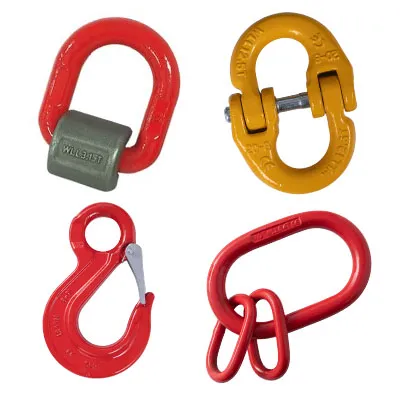 G100 Products
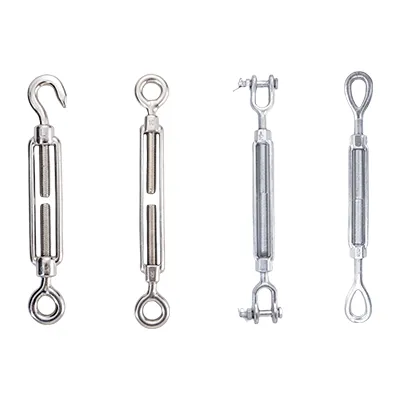
 Turnbuckles
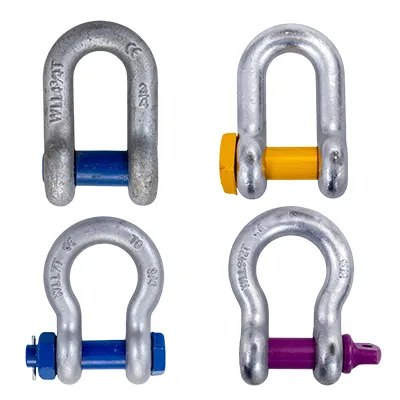
 Shackles
 Eye Bolts & Nuts
 Forged Hooks
 Swivels
 Wire Rope Clips & Grips
 Wire Rope Thimbles
 Snap Hooks
 Rings & Connector
 Lever Hoist
 Chain Binders
 Wire Rope
 Lifting Sling
 Forestry Logging Supplies
 Pins
Pins Eye Plate
 Wire Rope Ferrules
 Chains & Acccessories
 Quick Links
 Pulley & Blocks
 Stainless Shackles
 Stainless Hooks
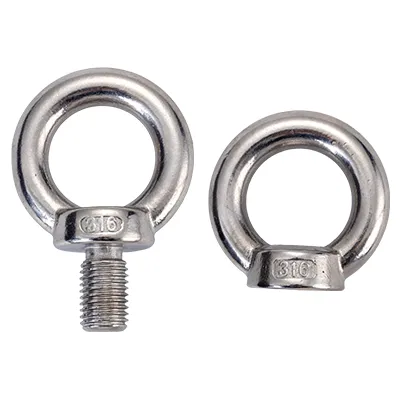
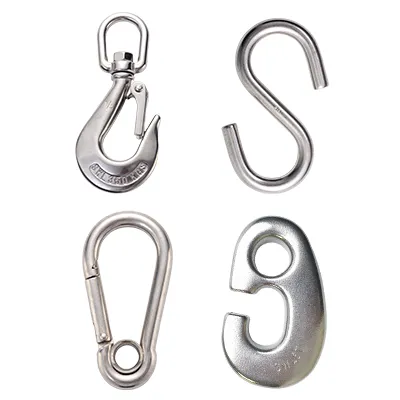 Stainless Eye Bolts & Nuts
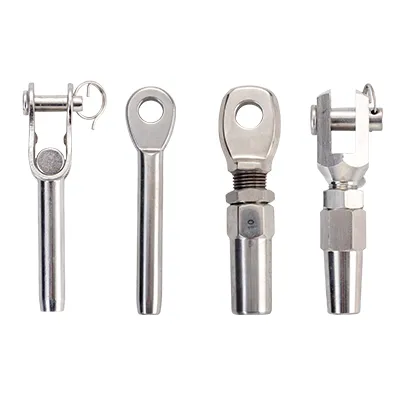
 Stainless Terminals
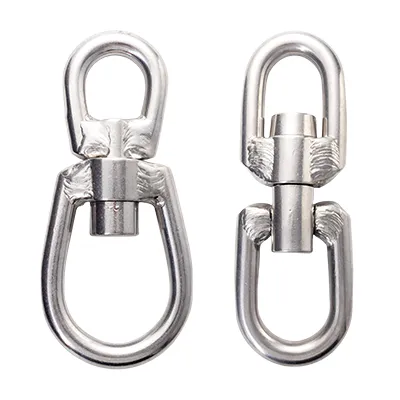
 Stainless Swivels
 Stainless Thimbles
 Stainless Rings
 Stainless Quick Link
 Stainless Chains
 Stainless Pulleys
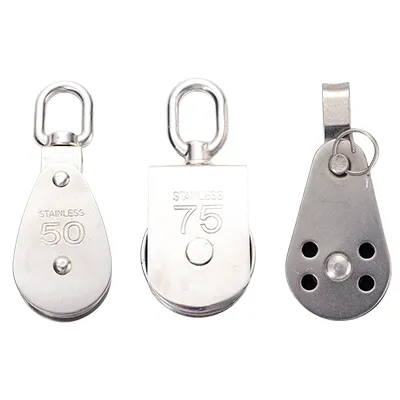 Drop Forged Stainless
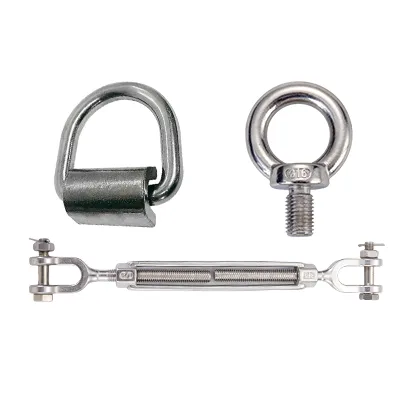 Stainless U Bolts
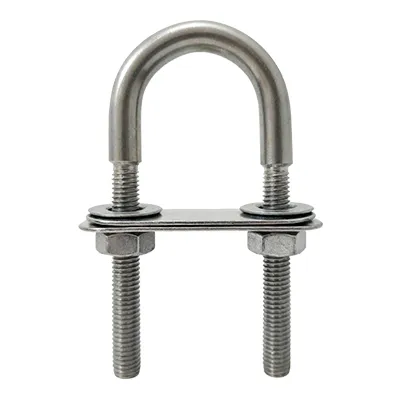 Eye Plate, Eye Straps, Angles
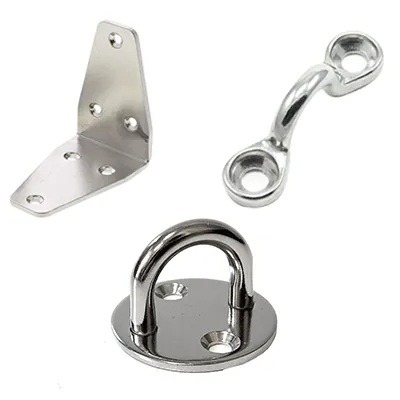 Stainless Steel Hinge
 Shade Sail Hardware